• Home
  • Huvitz Tomógrafo de Coerência Óptica HOCT-1(80)

Huvitz Tomógrafo de Coerência Óptica HOCT-1(80)

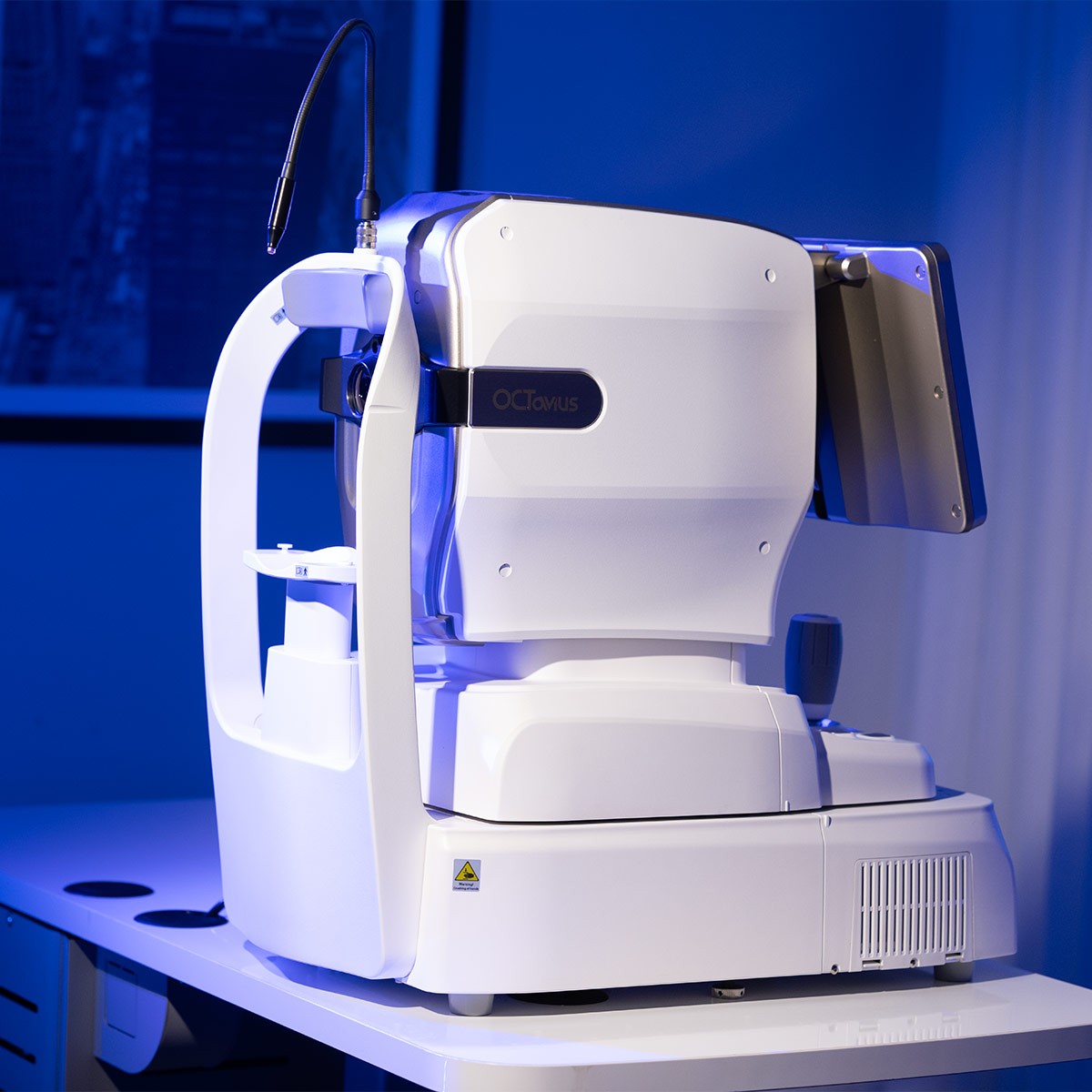
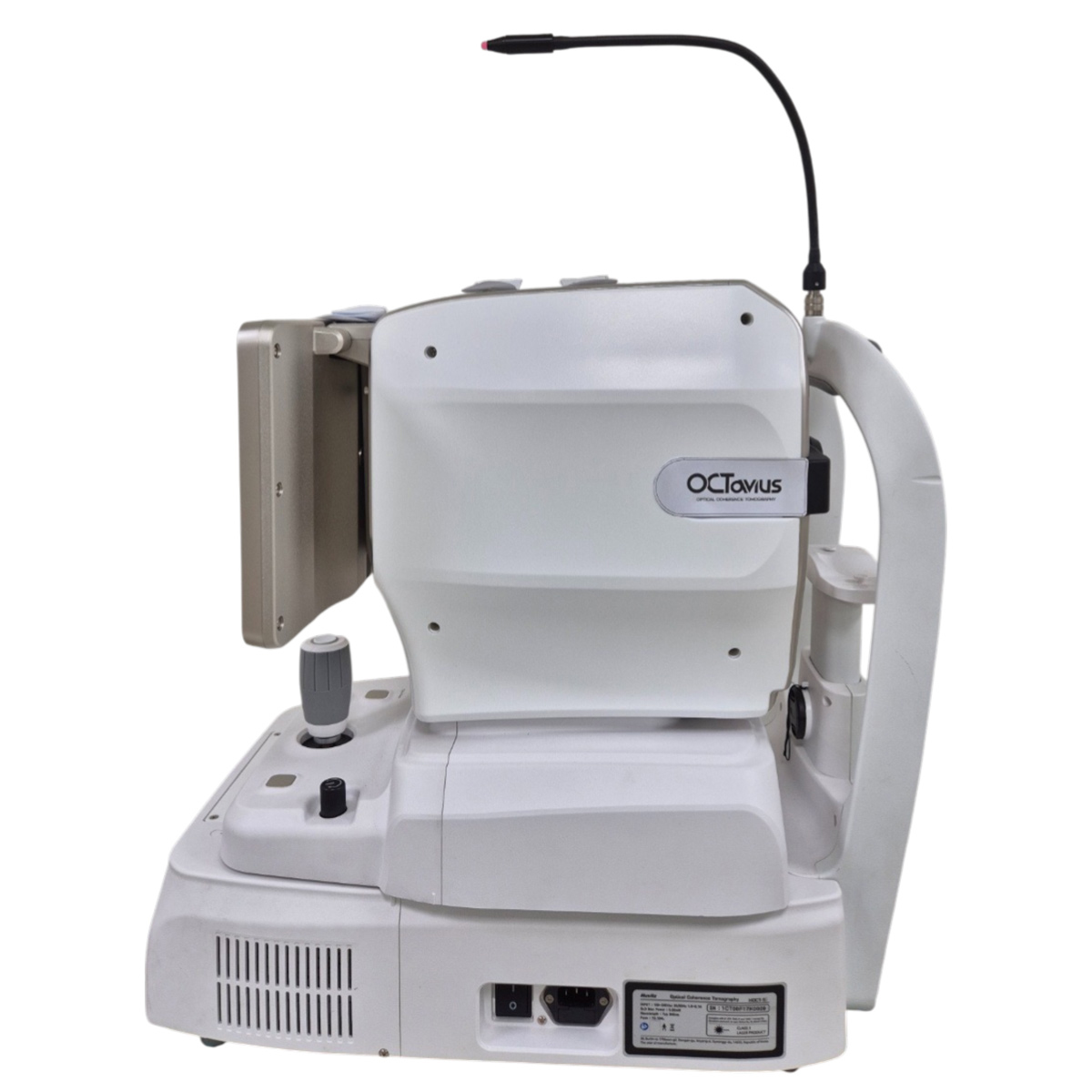
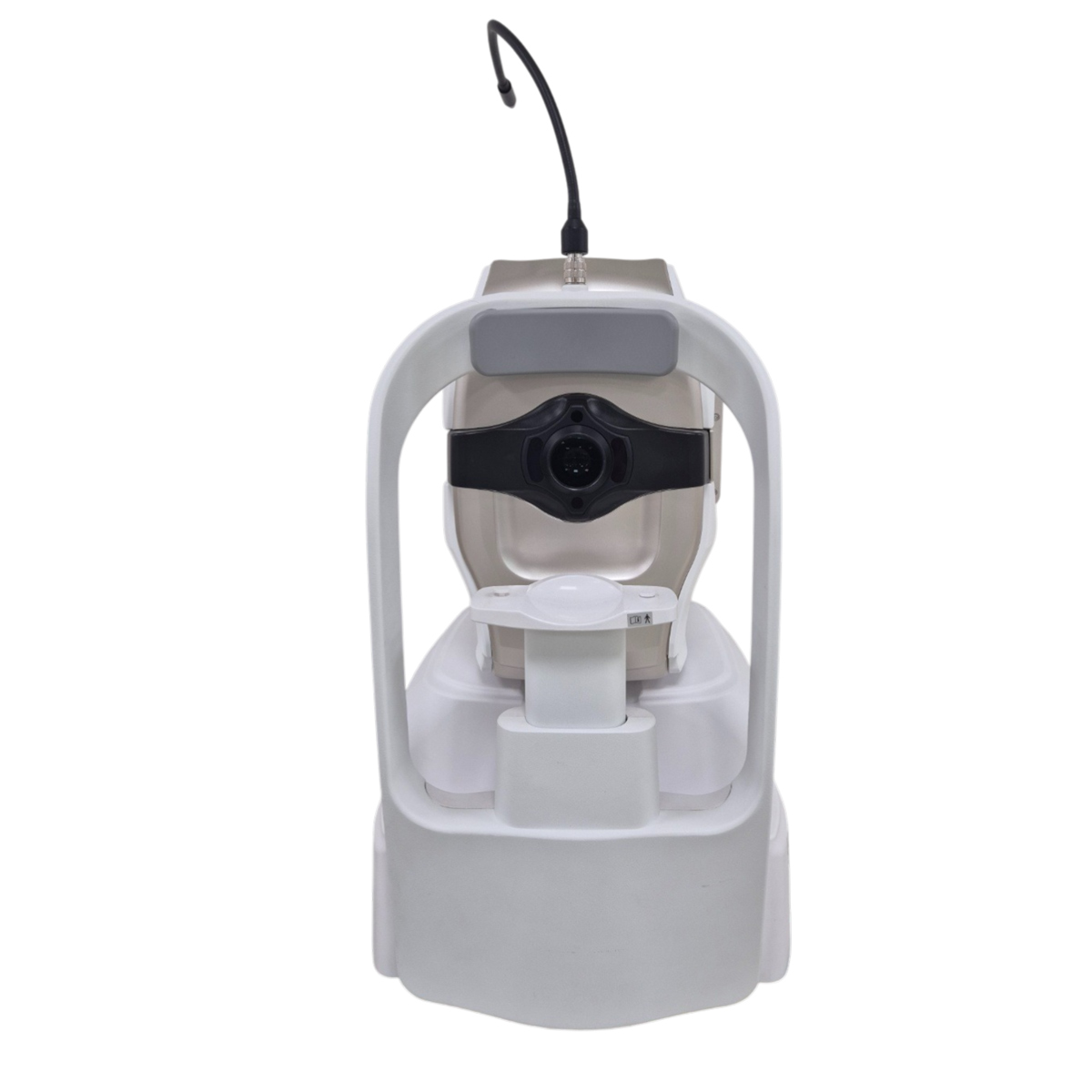
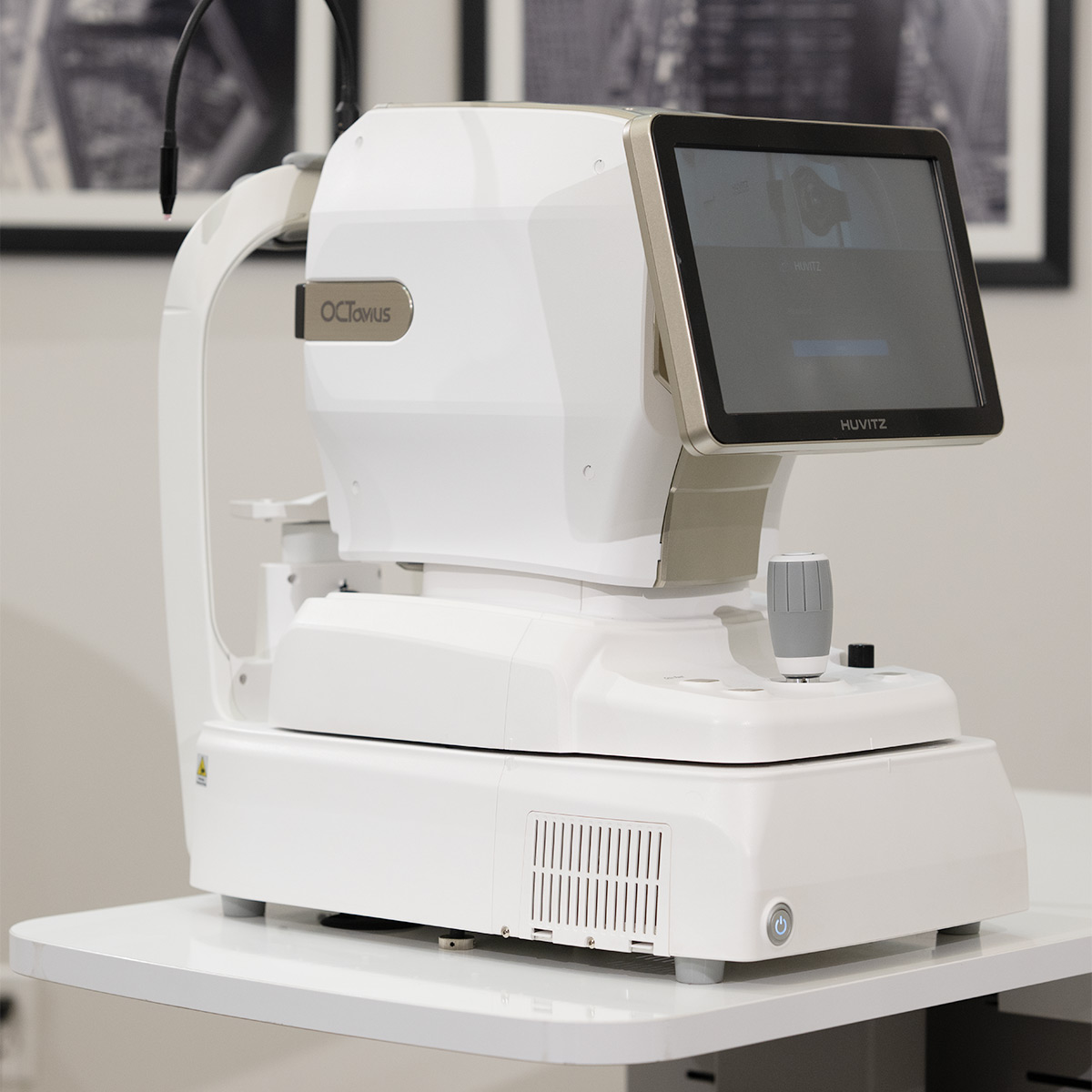
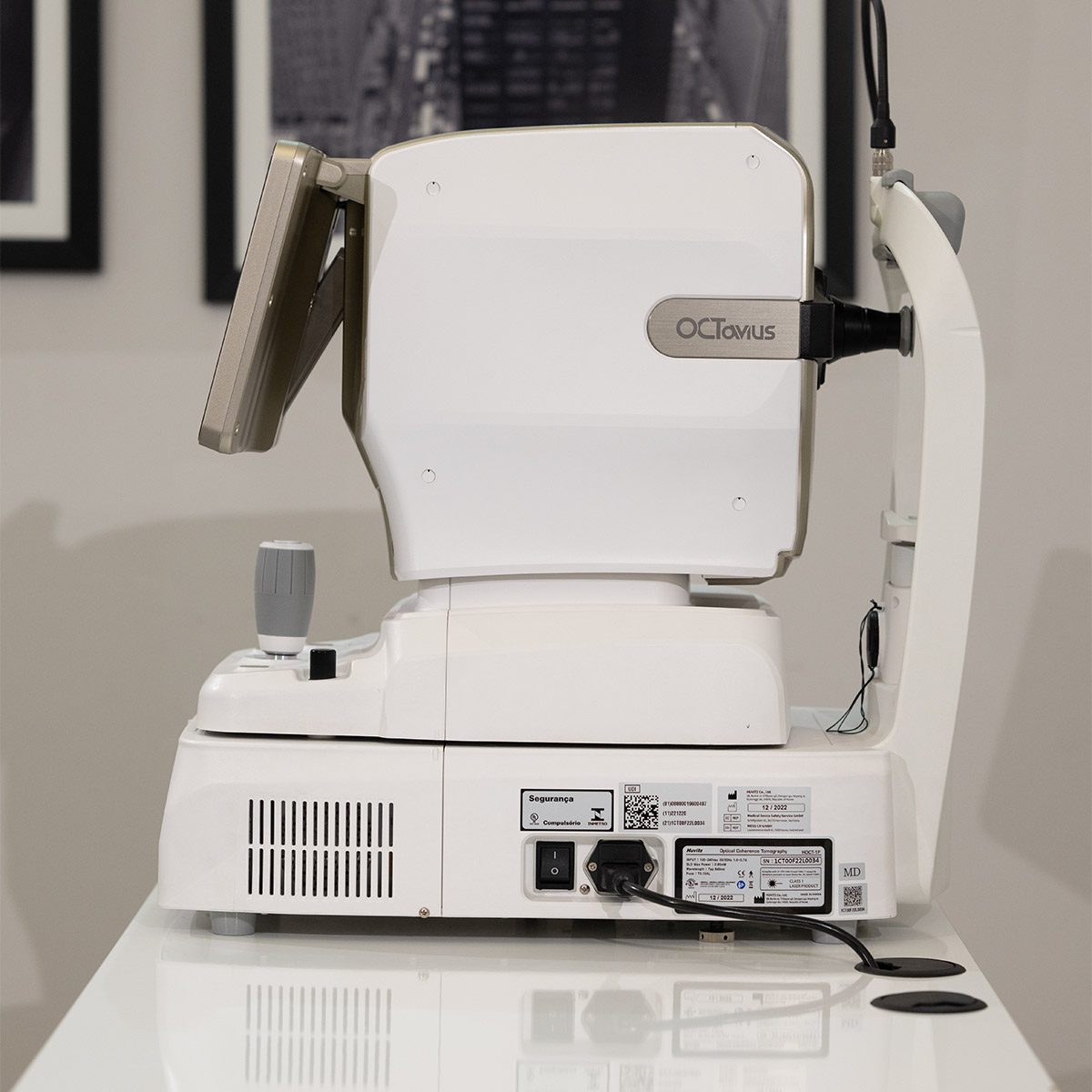
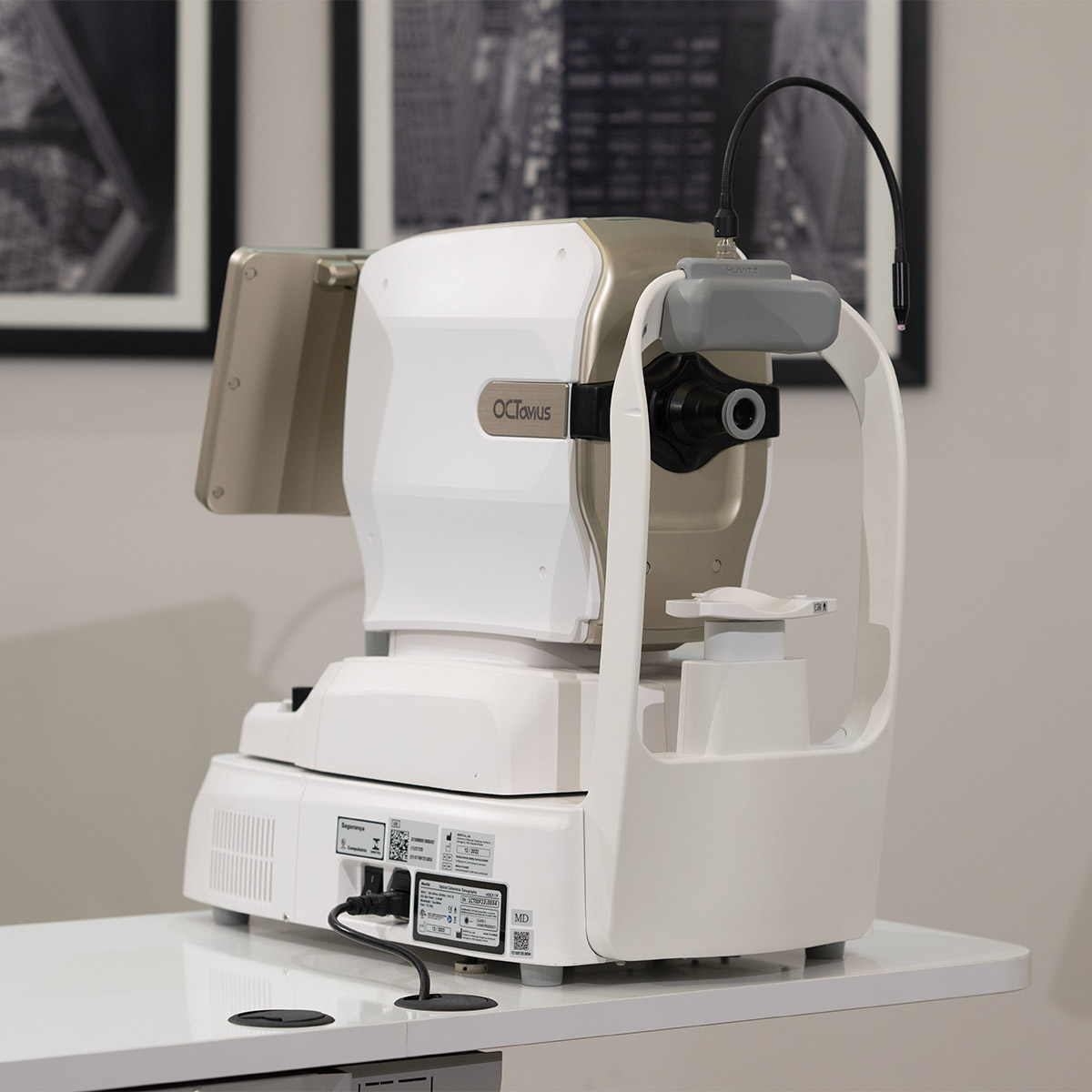
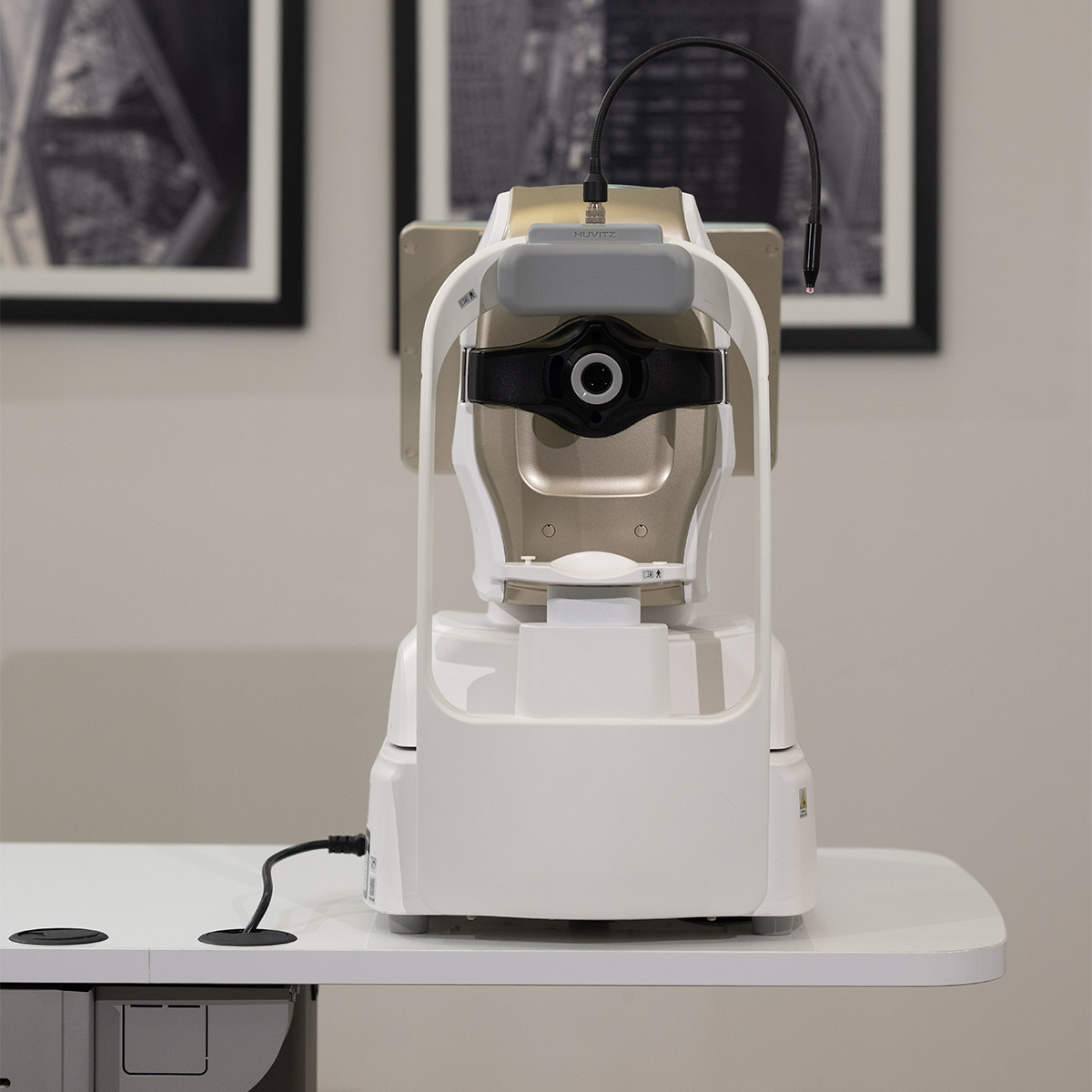
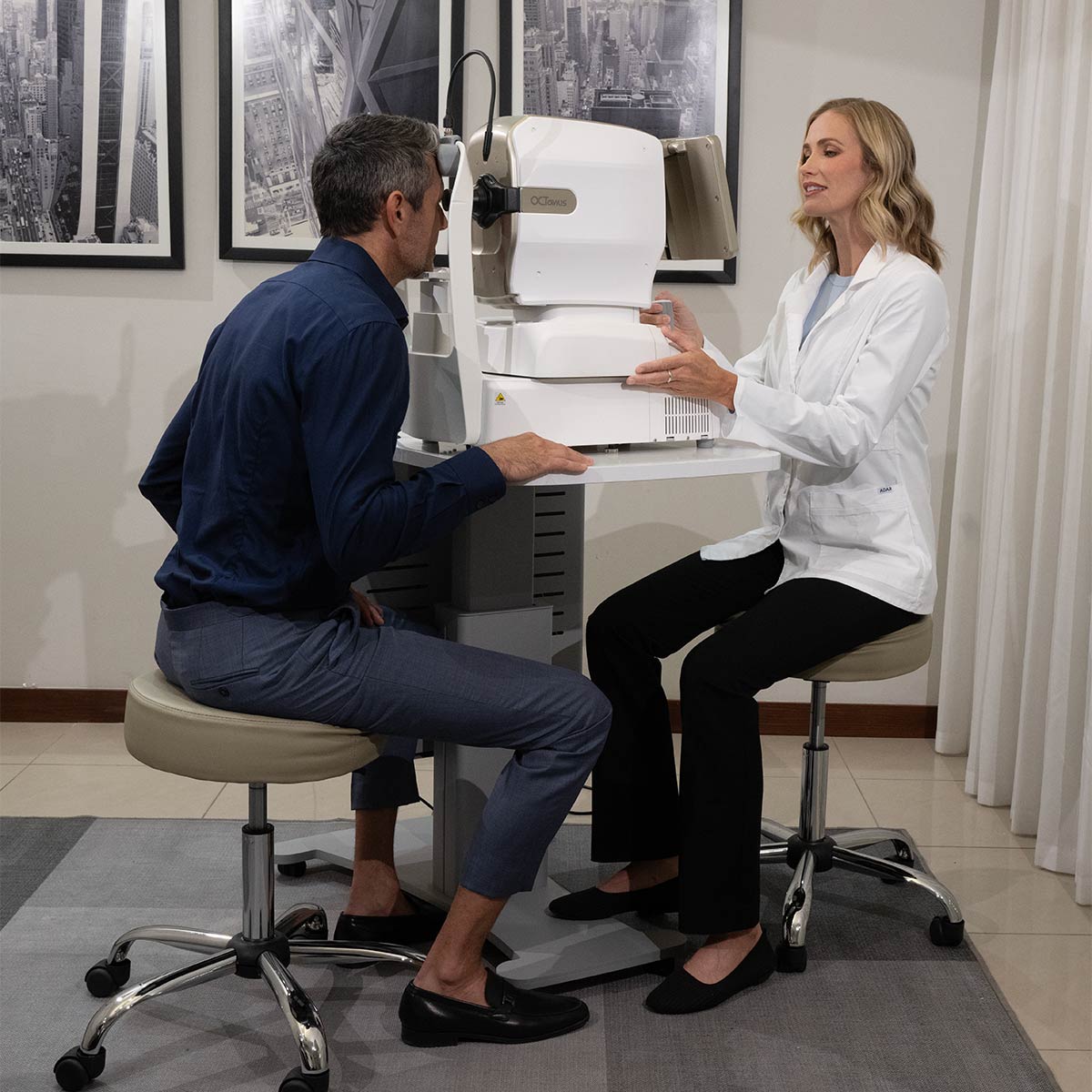
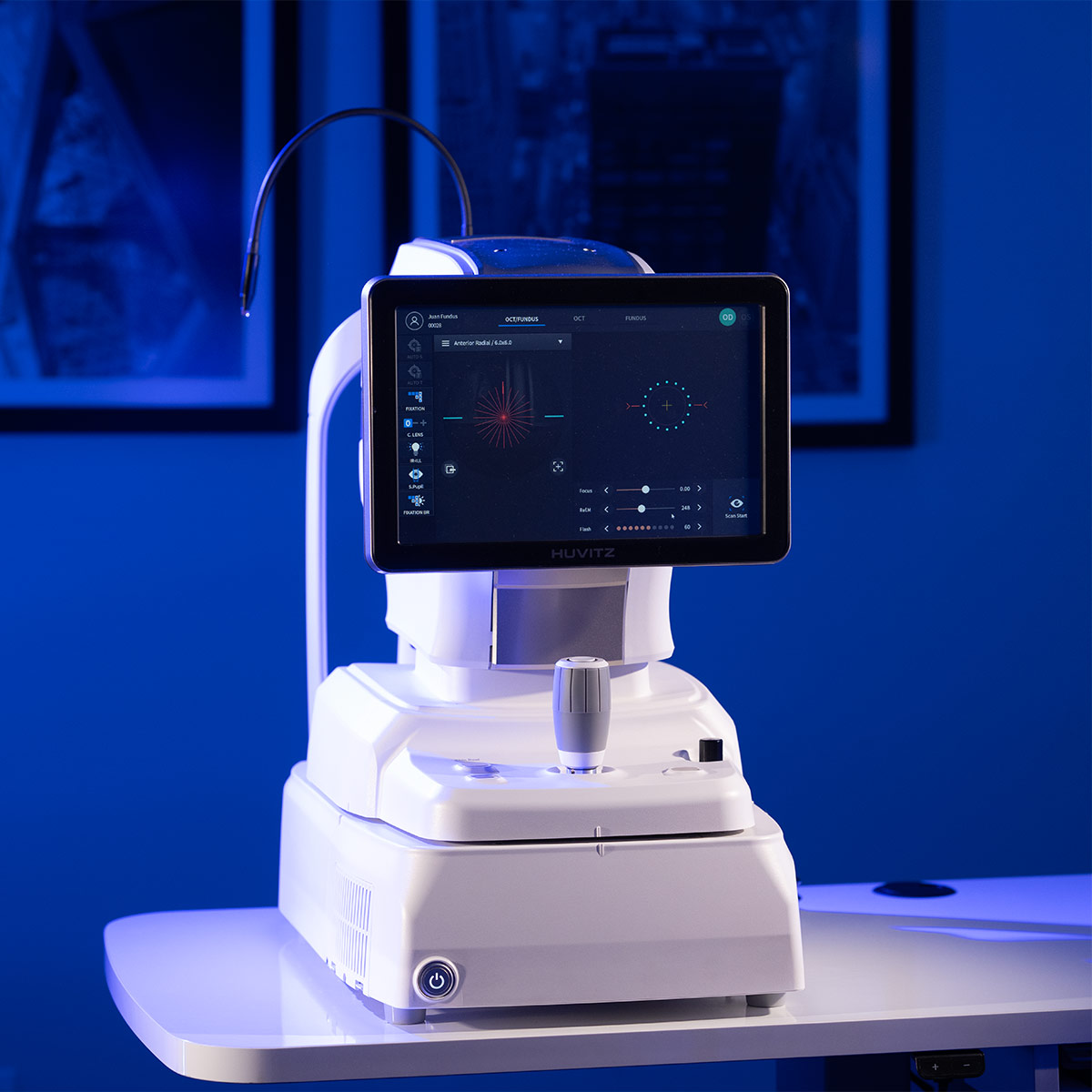
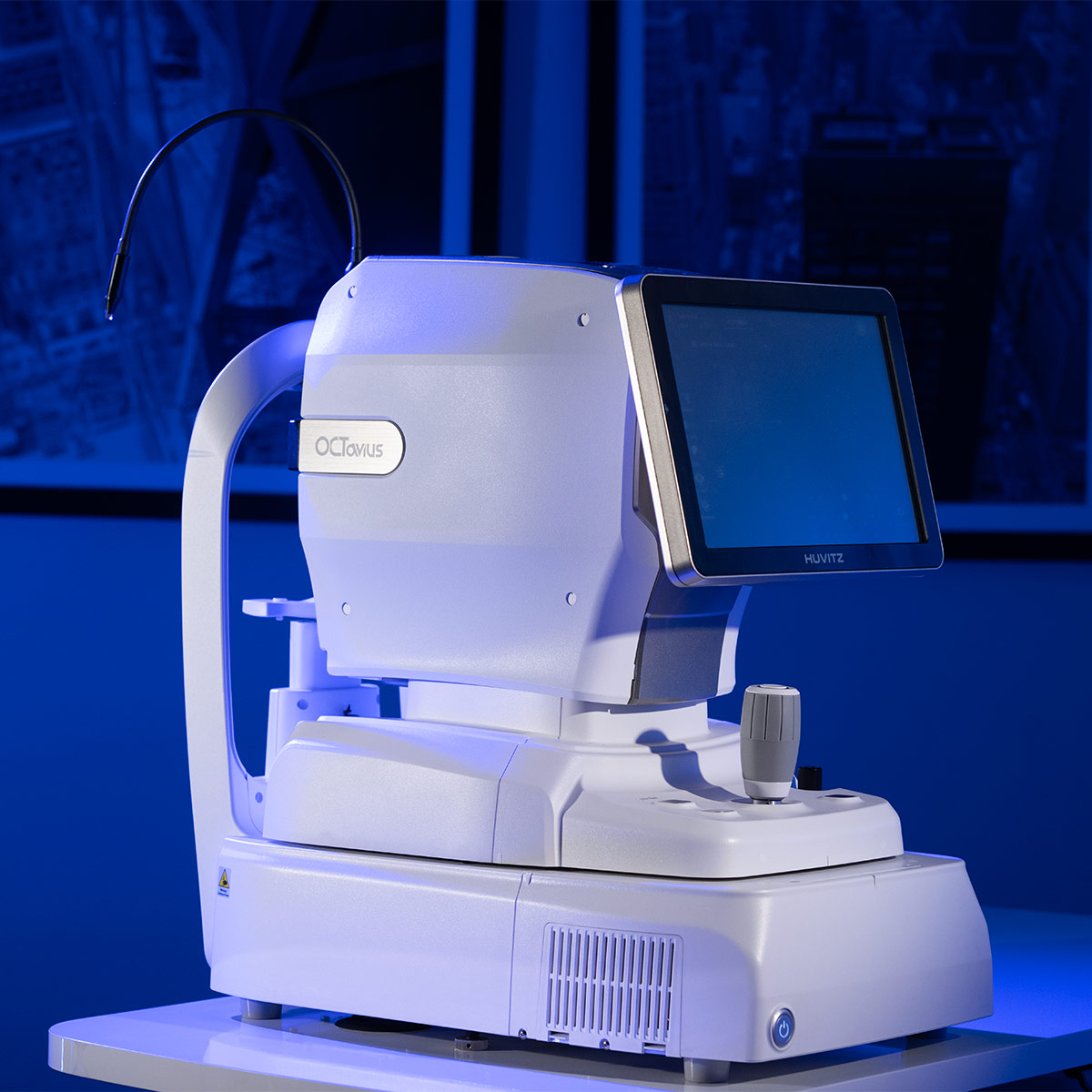
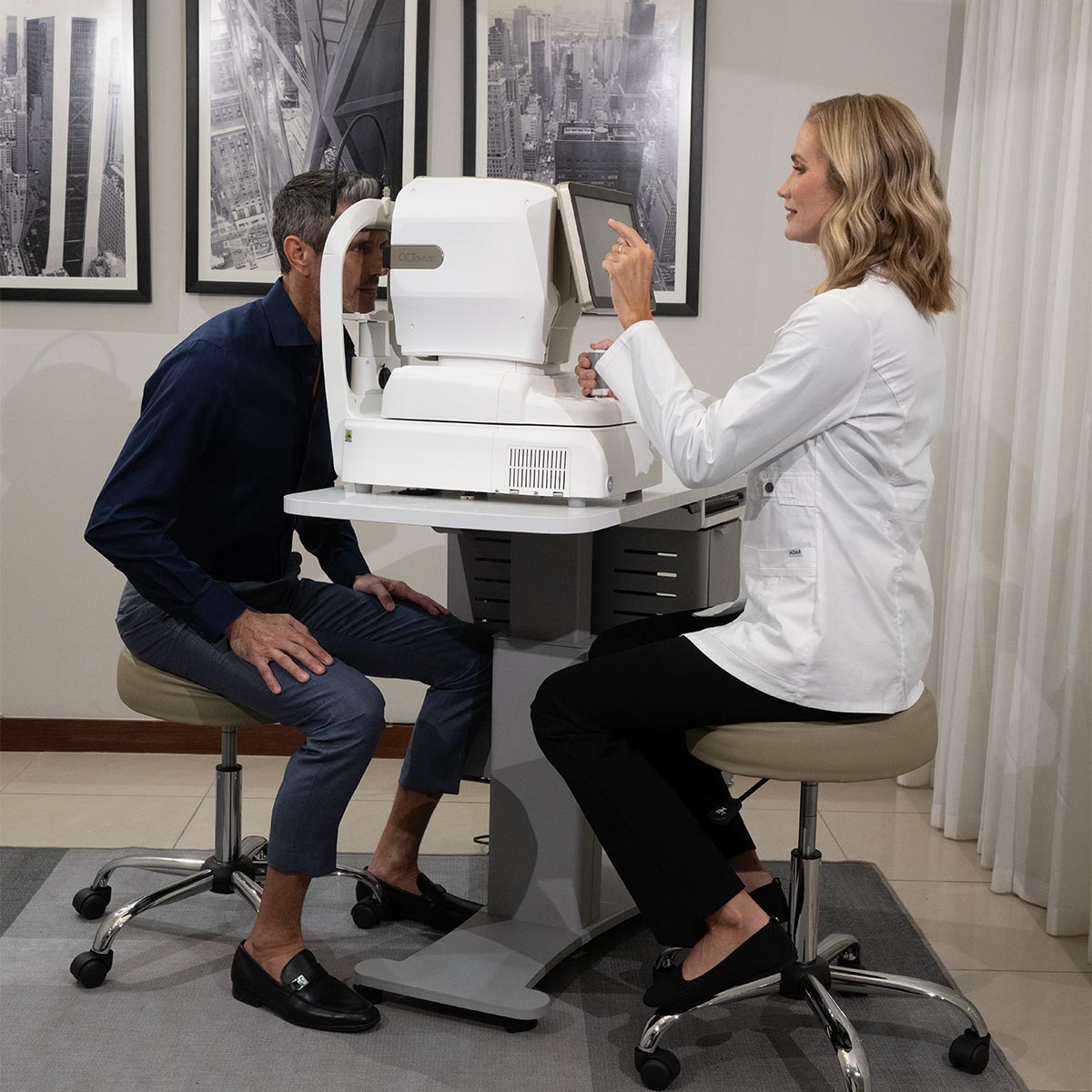
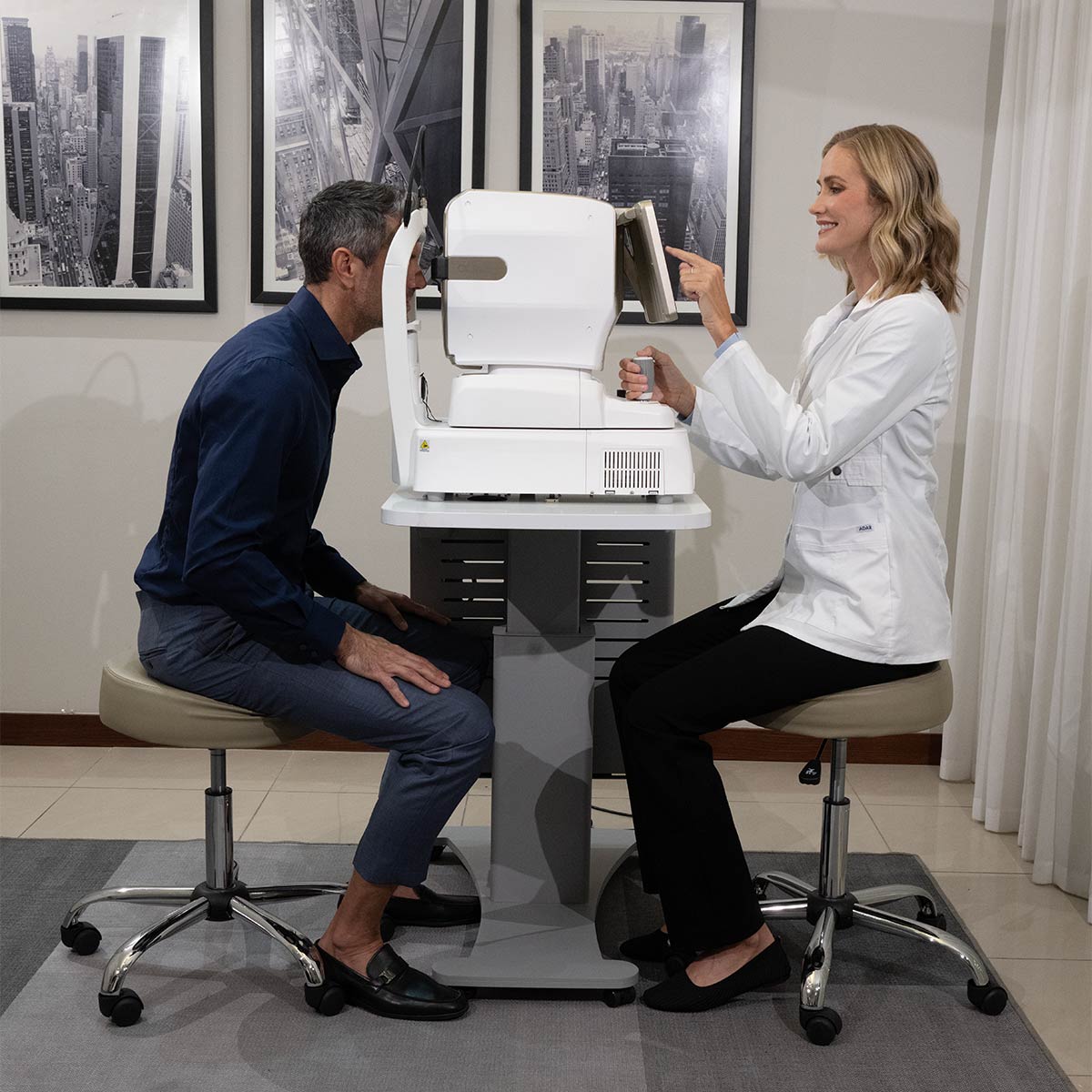
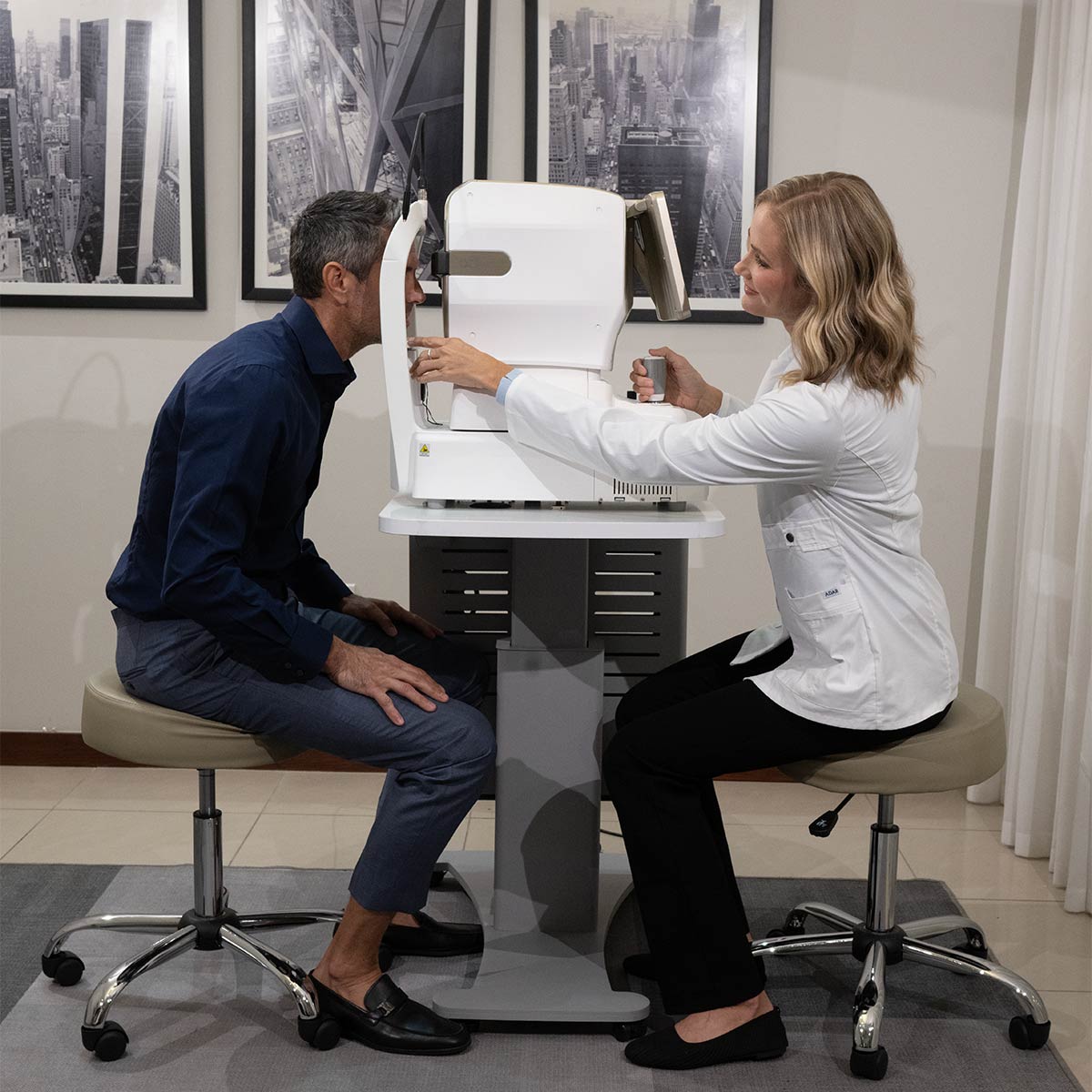
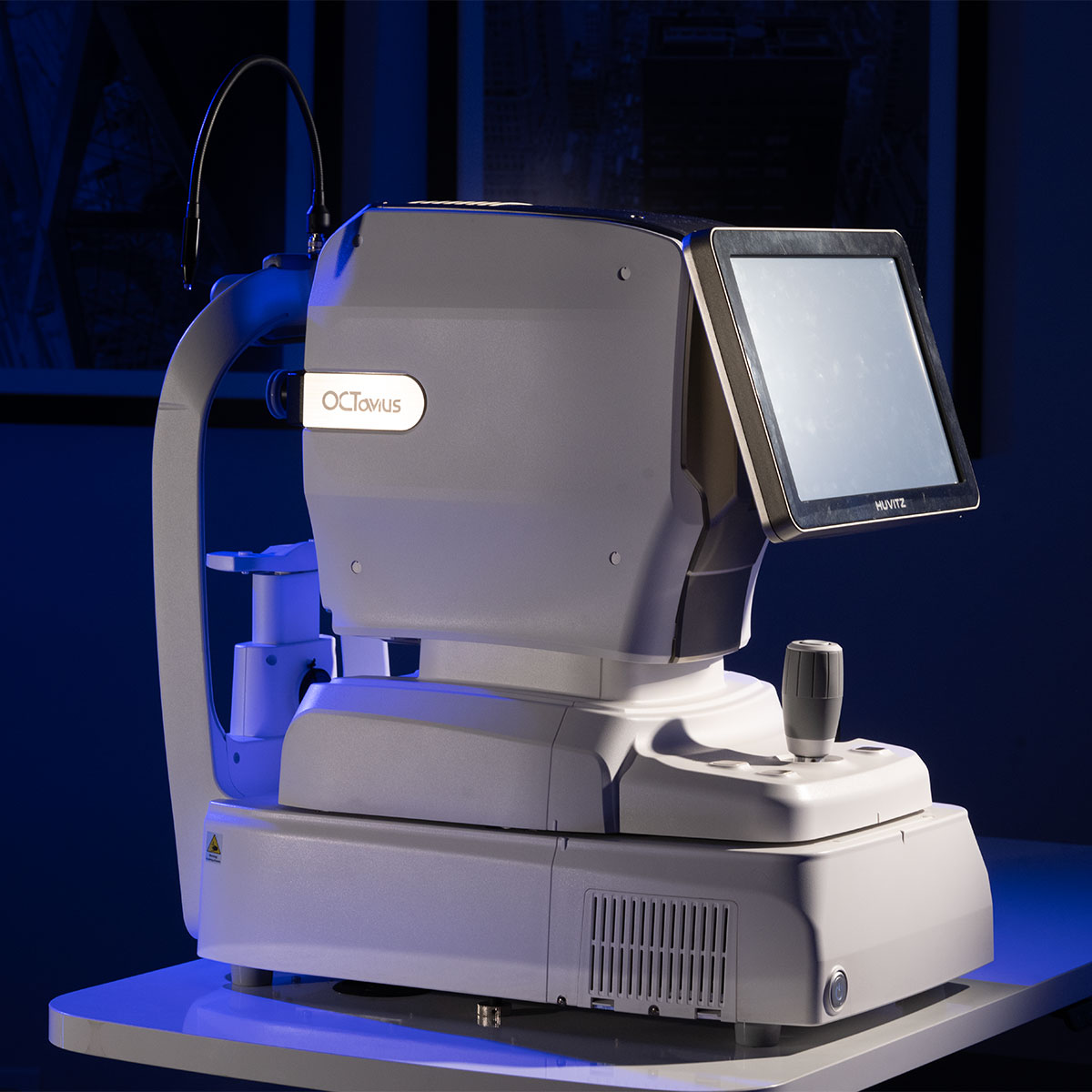
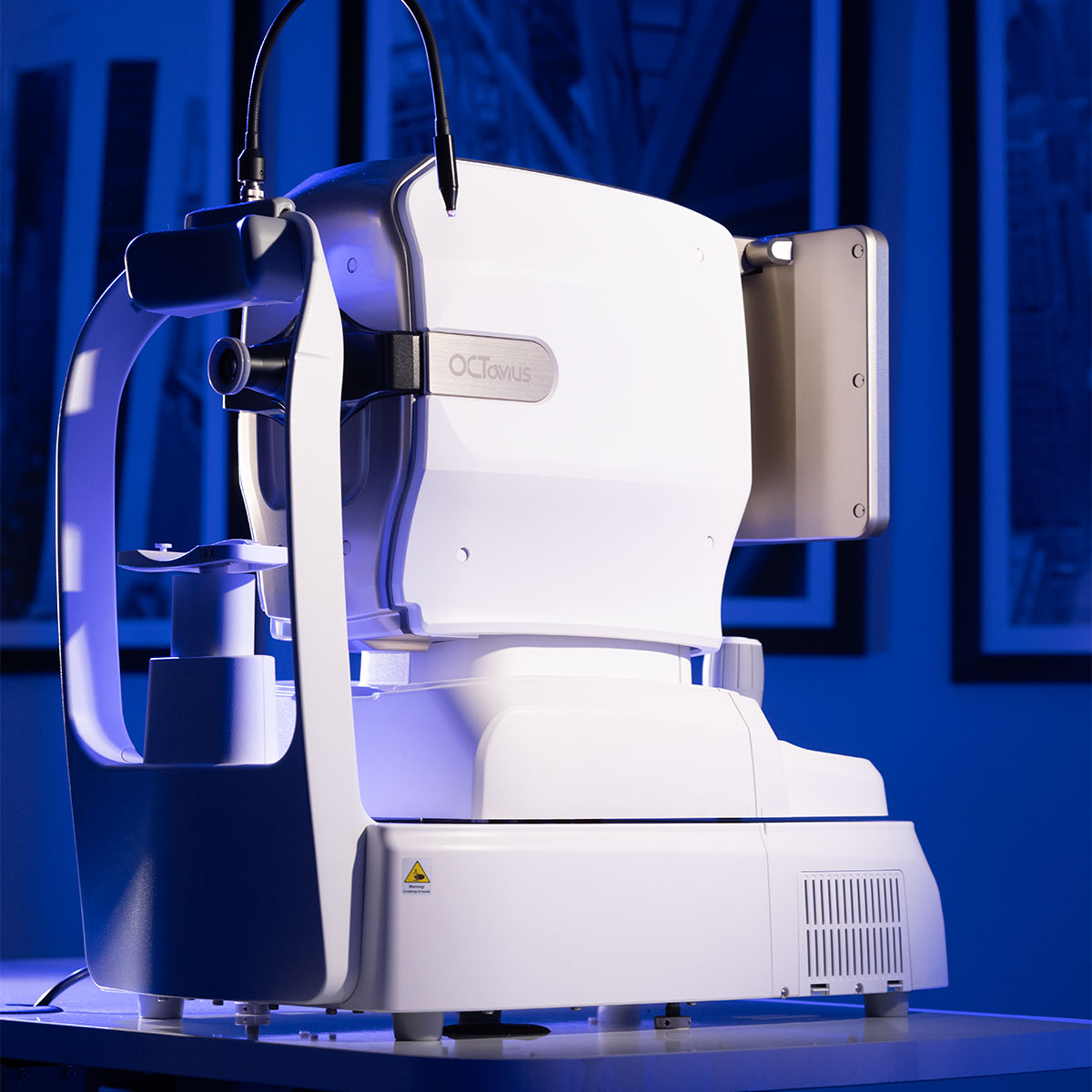
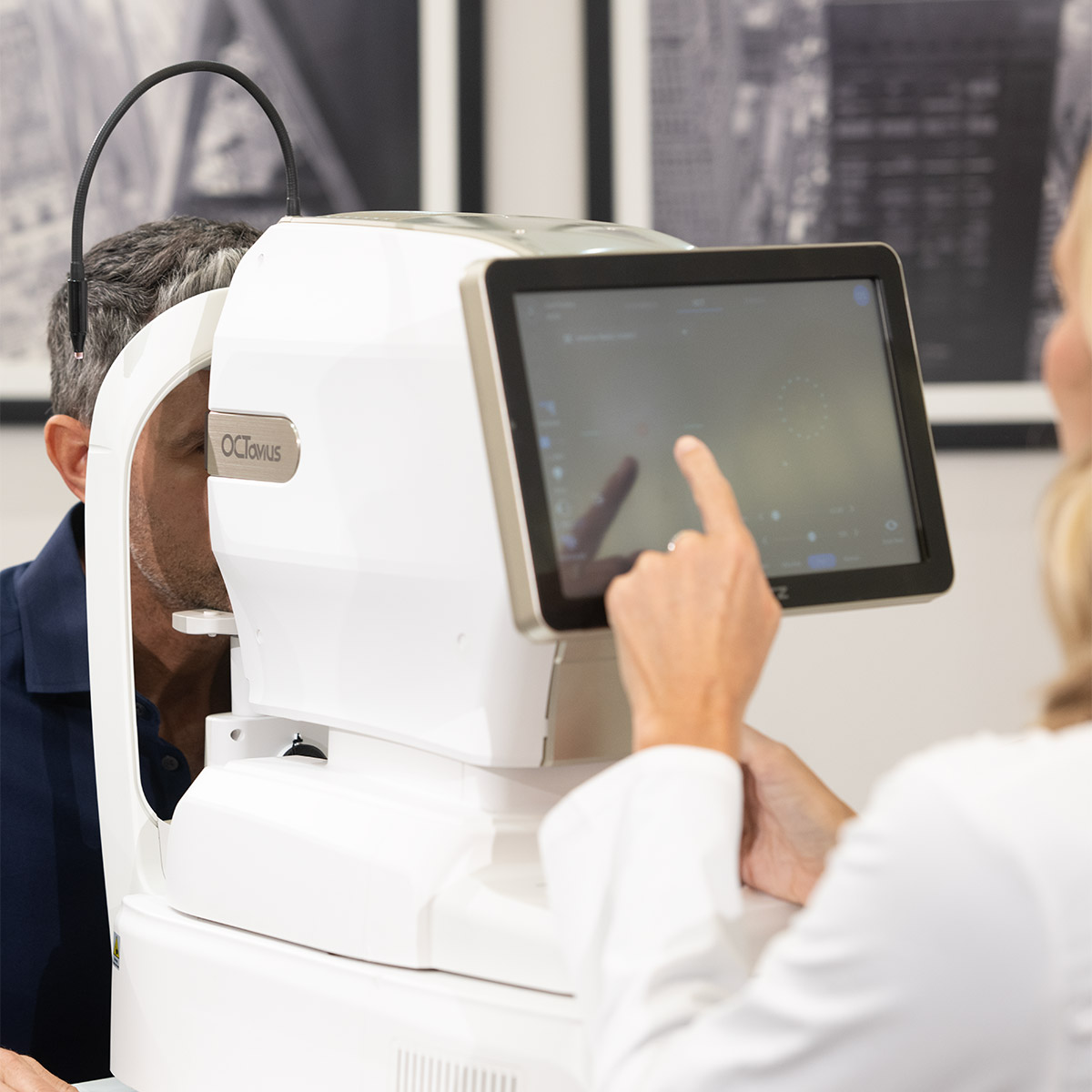
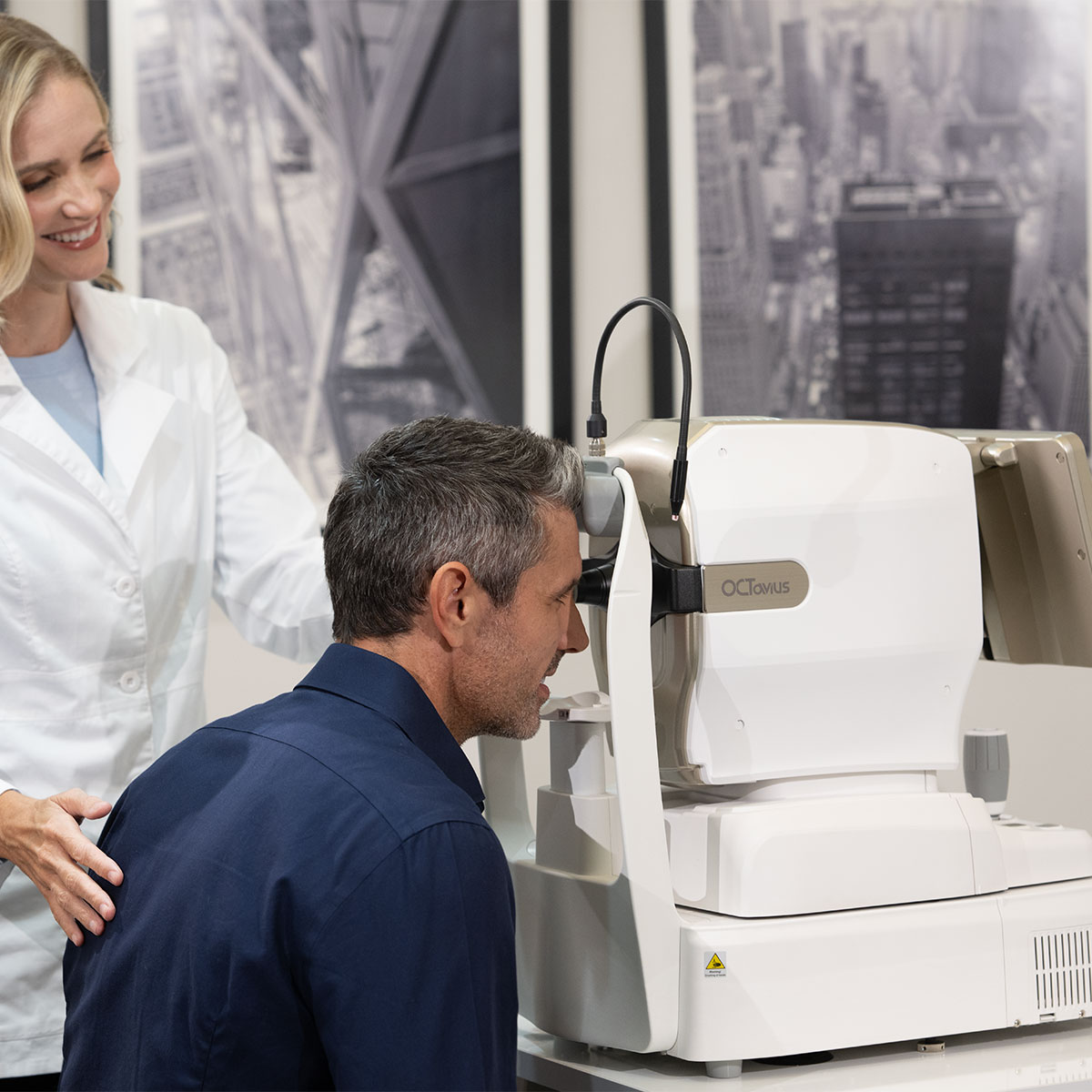
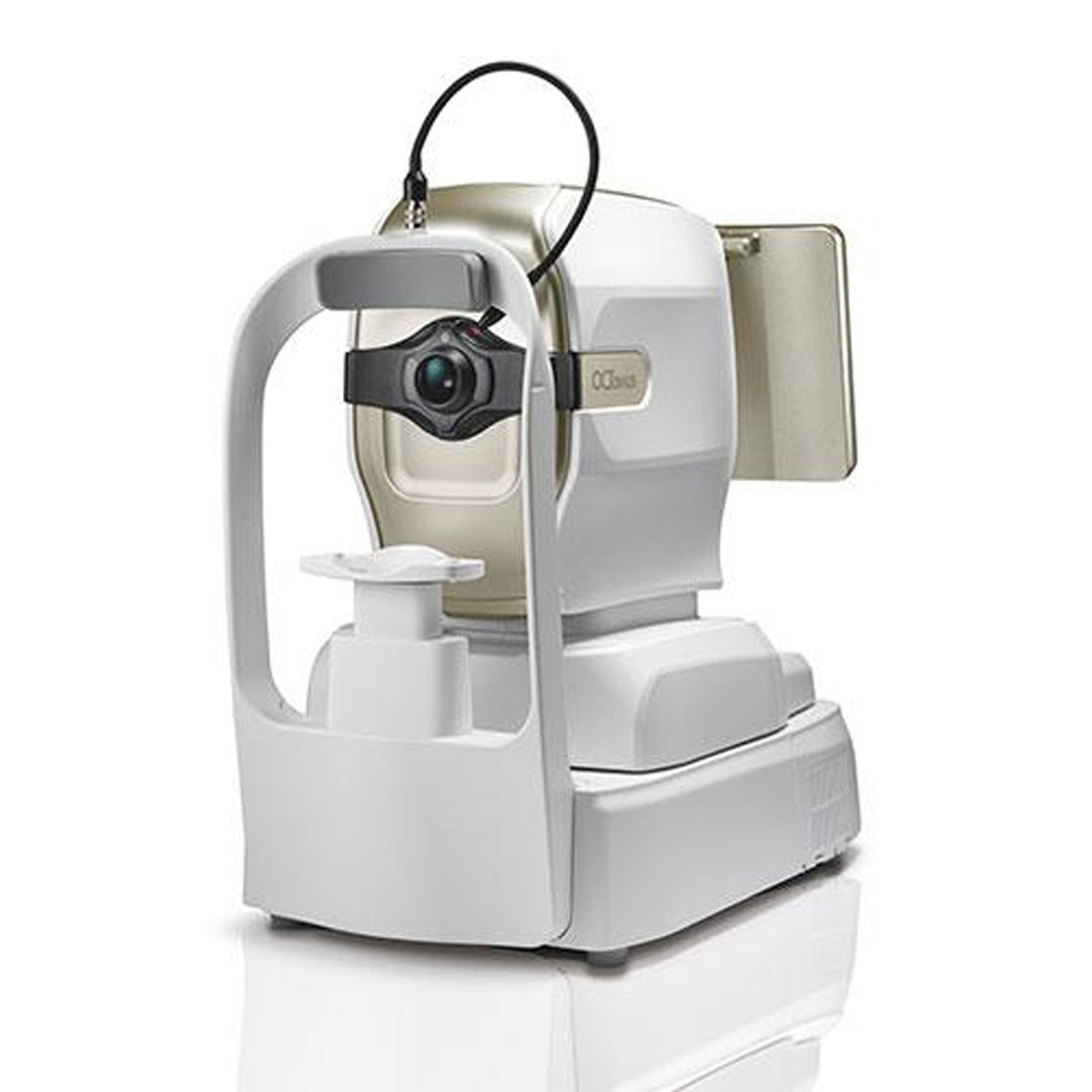
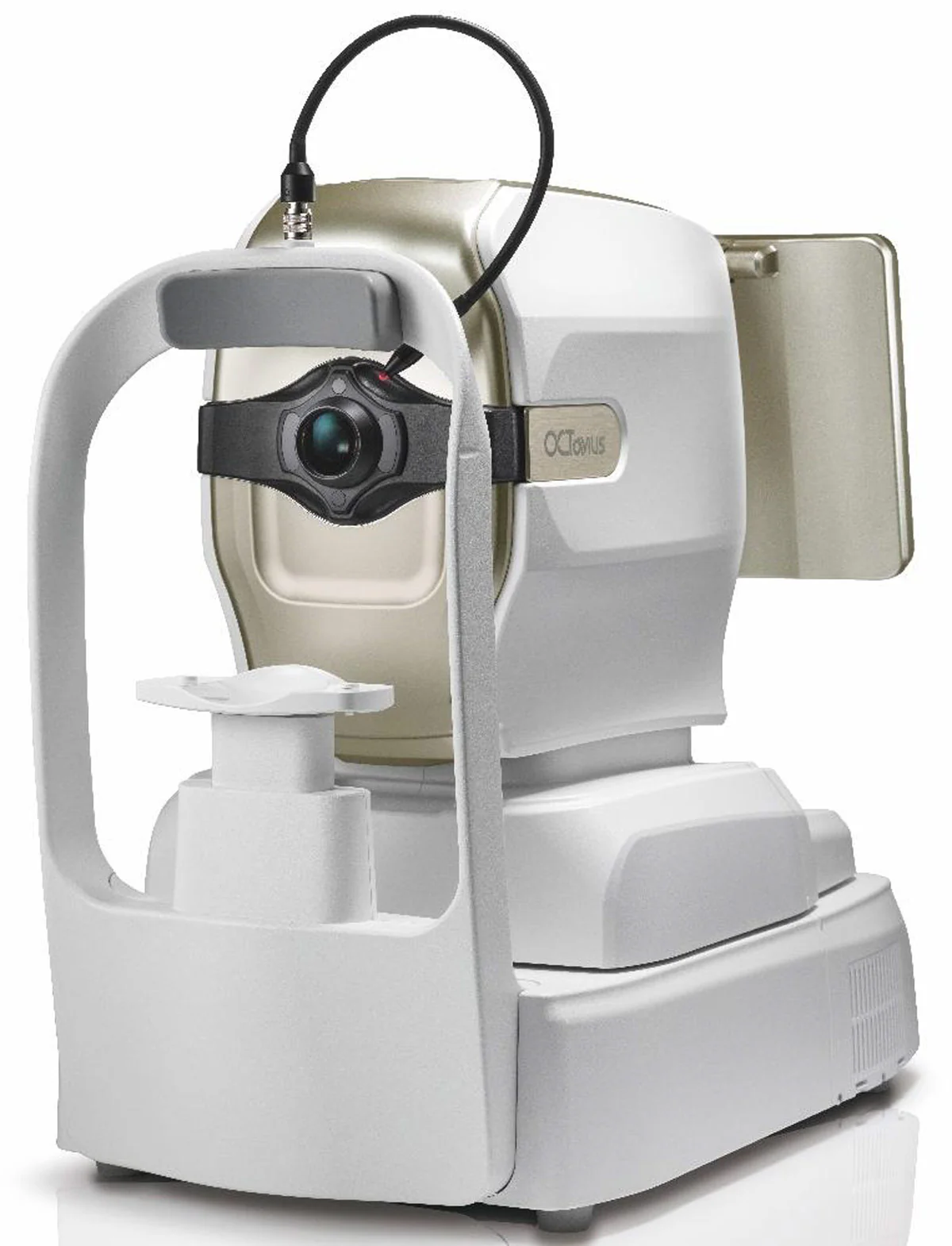
O HOCT-1 é um avançado dispositivo de diagnóstico oftálmico que combina OCT 3D, angiografia OCT, biometria e topografia em um único sistema. Com uma velocidade de varredura de 80.000 A-scans por segundo, oferece captura rápida e análise precisa. Sua angiografia OCT de ampla cobertura e alta velocidade, aliada a avaliações em camadas de alta precisão, garante um diagnóstico abrangente e confiável em uma plataforma eficiente.

Falar com um especialista

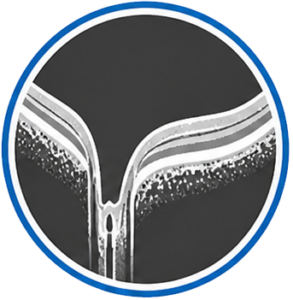
3D OCT

Detalhes nítidos para diagnósticos precisos da retina.

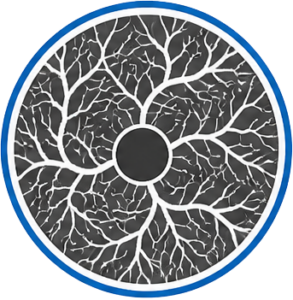
Angiografia

Visualização detalhada da circulação retinal.

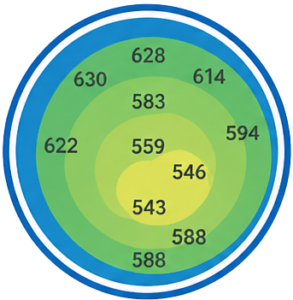
Topografia

Análise quantitativa para acompanhamento e tomada de decisão.

Biometria

Medições confiáveis para planejamento cirúrgico seguro.

3D OCT • Angiography • Biometry • Topography
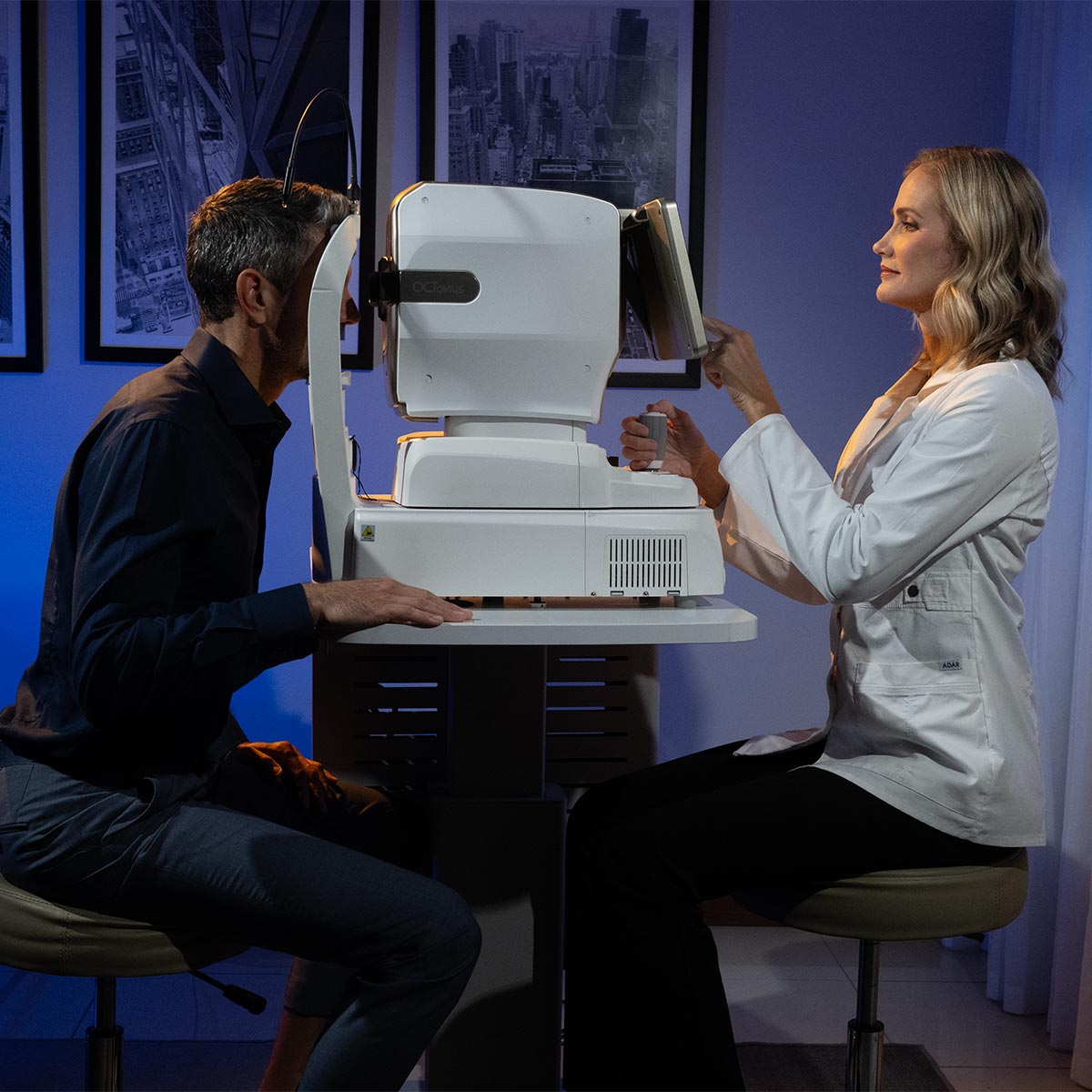
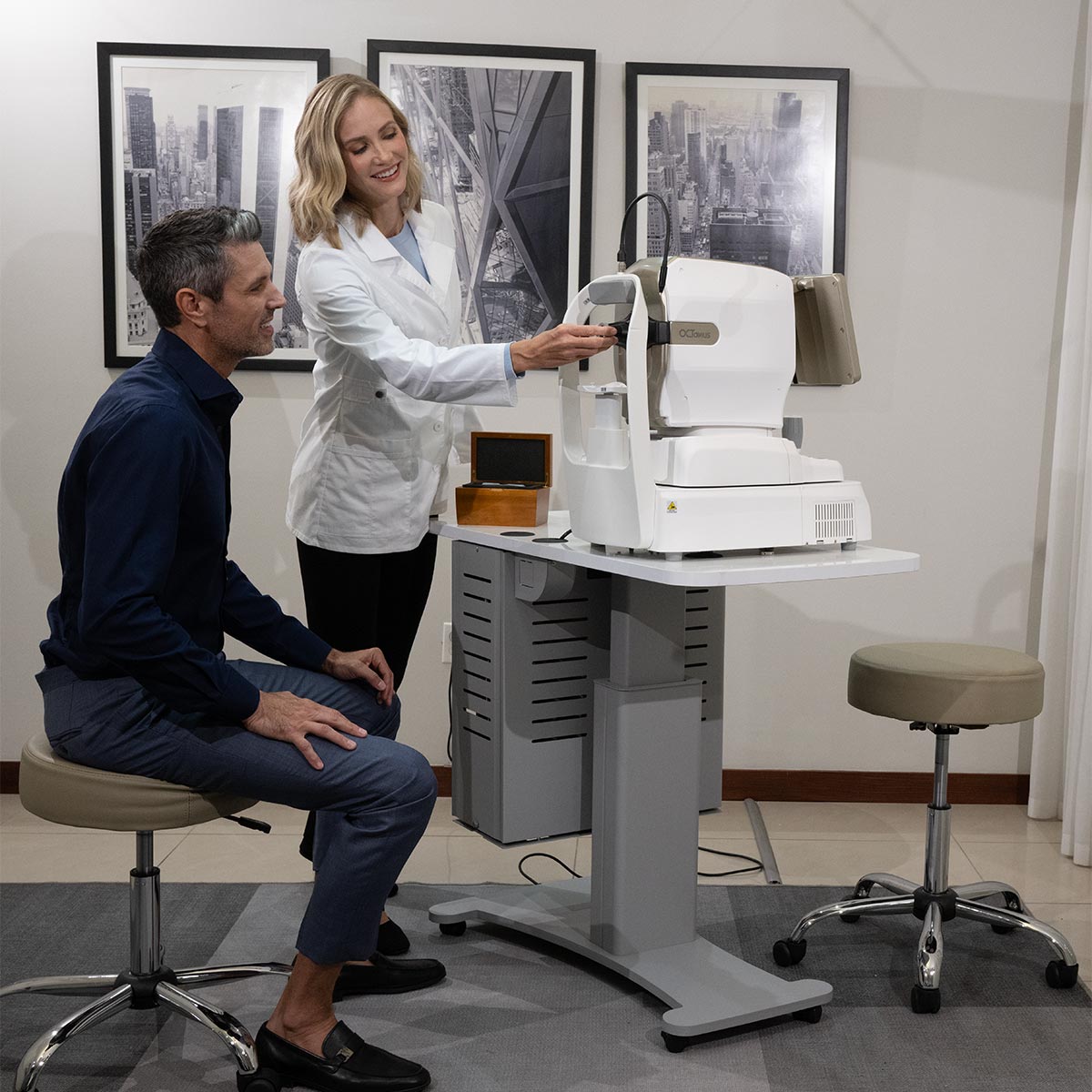
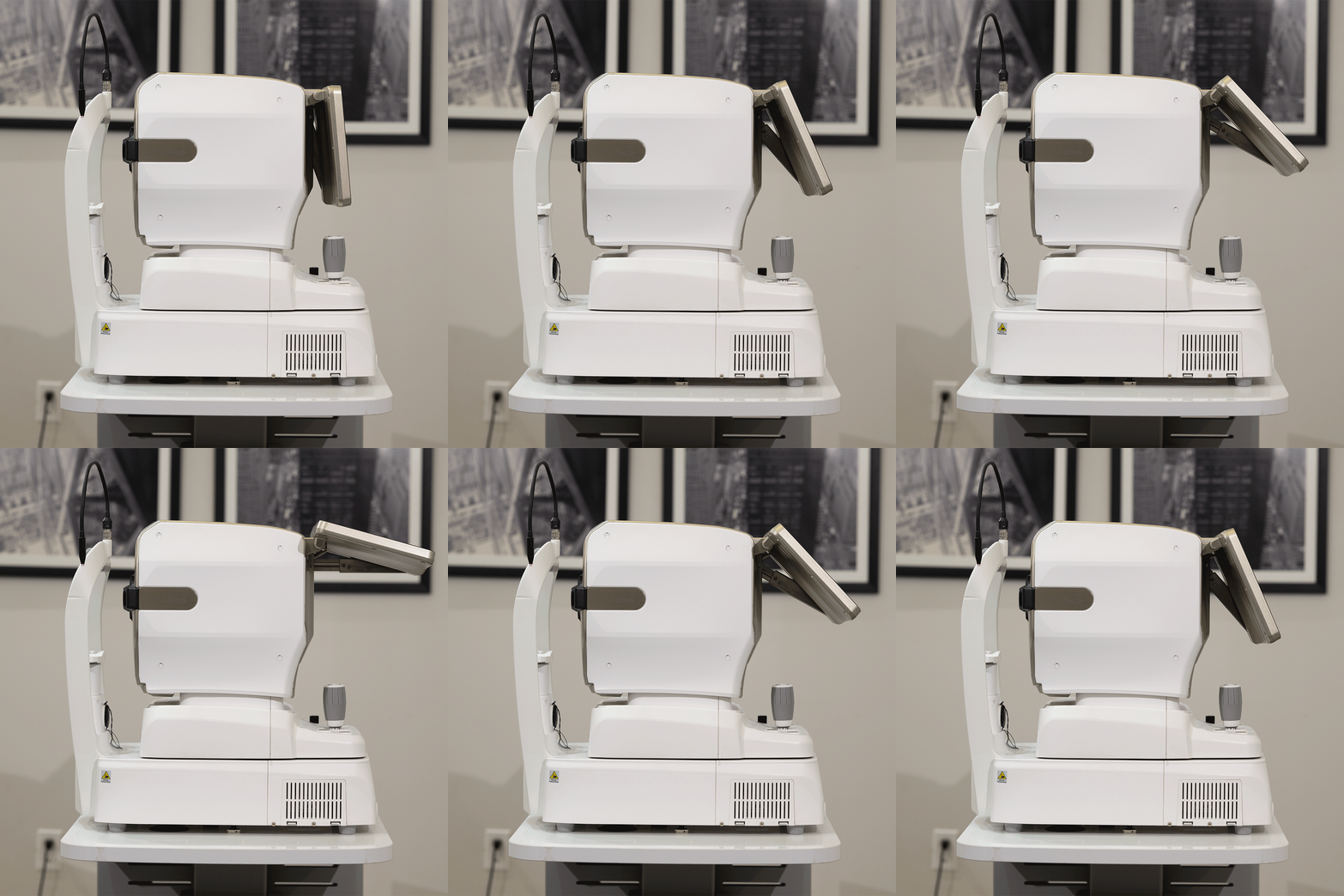
The HOCT-1 (80) integrates four essential diagnostic functions into a single compact platform, offering smooth operation and accurate data that professionals can rely on. This system increases diagnostic confidence, optimizes workflow efficiency, and saves valuable examination room space, providing a powerful small footprint solution for modern ophthalmology clinics.
Compact design with integrated Intel® technology.
The HOCT-1 (80) features an integrated computer equipped with a 13th generation Intel® i3 processor and a high-speed SSD drive , eliminating the need for an external PC and reducing installation space. Its true small footprint design makes it ideal for modern clinics. This integrated system offers 35% faster processing, twice the speed in boot-up and image saving, and greater reliability. The SSD ensures superior data durability and stability, while the integrated architecture provides a more organized and efficient work environment, with fluid performance for optimized clinical operations.

High-Resolution Retinal and Choroidal Images
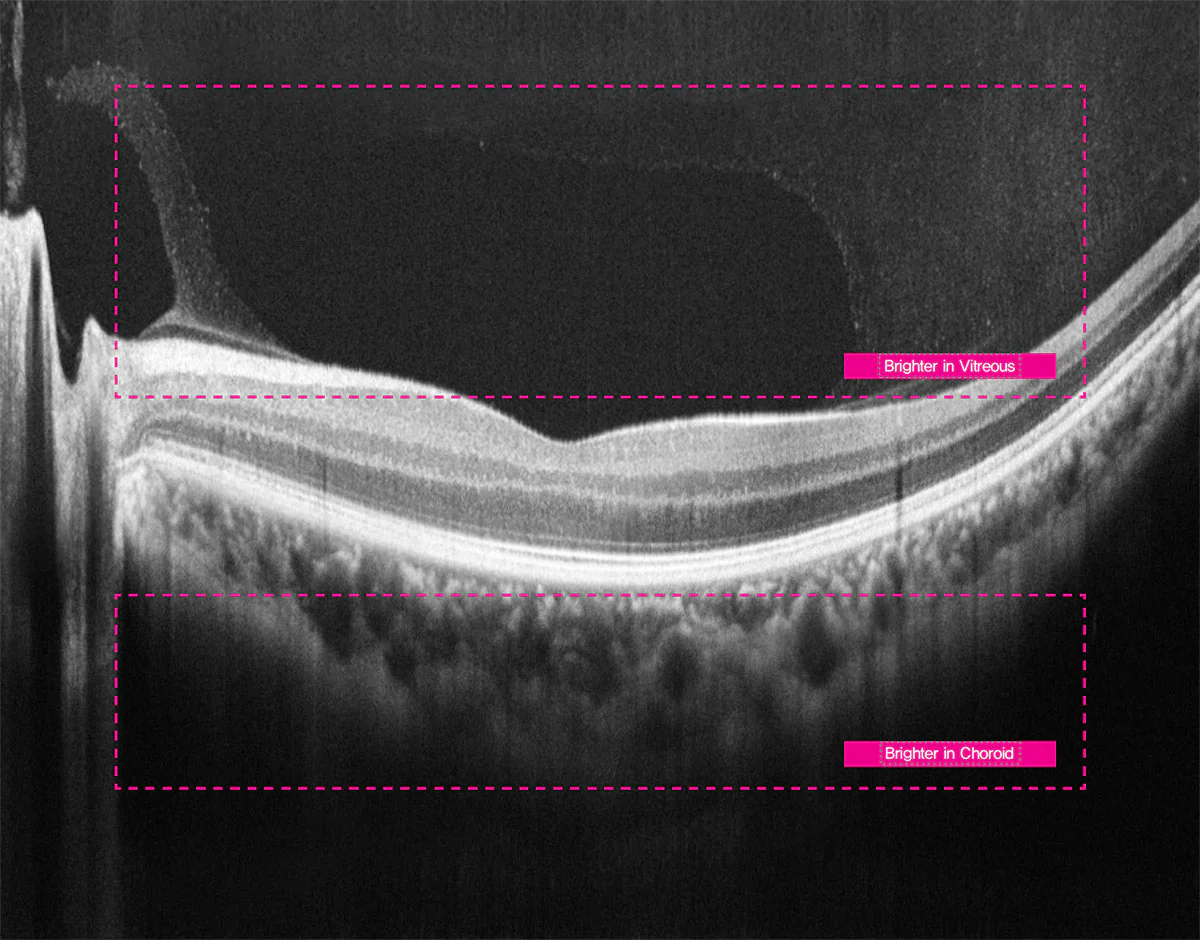
Capture the retina and choroid with unparalleled precision through high-resolution scans. The HOCT-1 (80) features fast and stable scanning technology that provides clear visualization of delicate retinal and choroidal structures, making it highly effective in diagnosing critical conditions such as retinal detachment and vitreous opacities. In ECI (Enhanced Choroidal Imaging) mode , depth signals are inverted to maximize contrast within the choroidal layer, ensuring superior diagnostic clarity.

Precise Capture of Microstructural Changes
With exceptional clarity, the system detects subtle morphological anomalies such as cystoid macular edema (CME), dome-shaped elevations, and initial detachments of the RPE layer. This precision allows for early and accurate assessment of lesion structure and progression, supporting timely diagnosis and effective treatment planning.

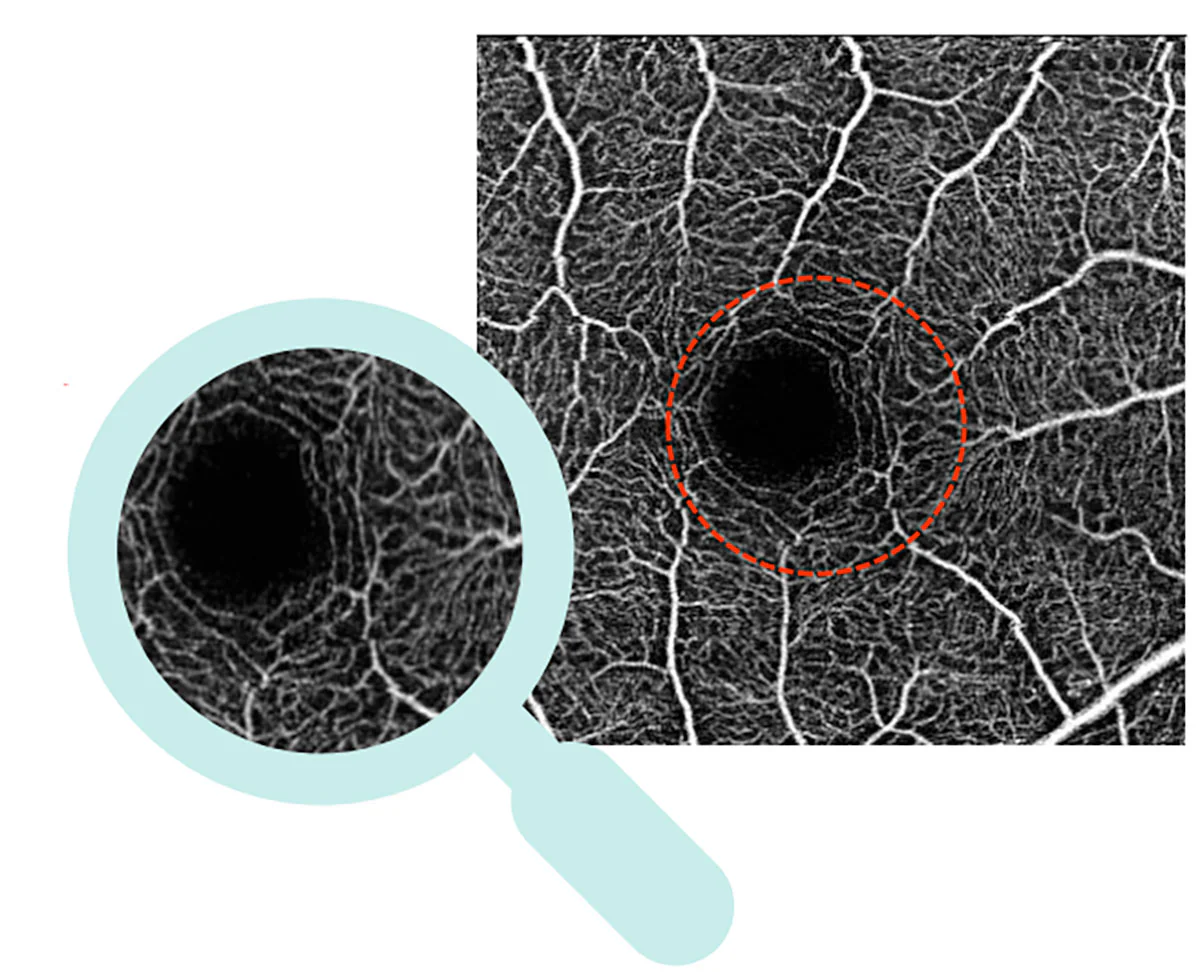
The HOCT -1 Angio Enhancement package (80) increases performance and reliability by combining location-sensitive scan speed gains with real-time retinal tracking via a 30 fps IR camera . Image quality is enhanced with vascular signal contrast through slab and foveal reflex suppression, as well as post-acquisition B-scan registration that restores disrupted vessels. CNV visualization benefits from improved despeckling , which emphasizes only true neovascular structures. Robust noise controls remove motion artifacts , suppress horizontal bands , and eliminate ghosting , while PAR (projection artifact removal) cleans up shadows from superficial vessels and sharperly defines the outer retina. Finally, refined retinal layer segmentation offers more precise analysis of OCTA regions, strengthening diagnostic confidence.

Real-Time Retinal Tracking
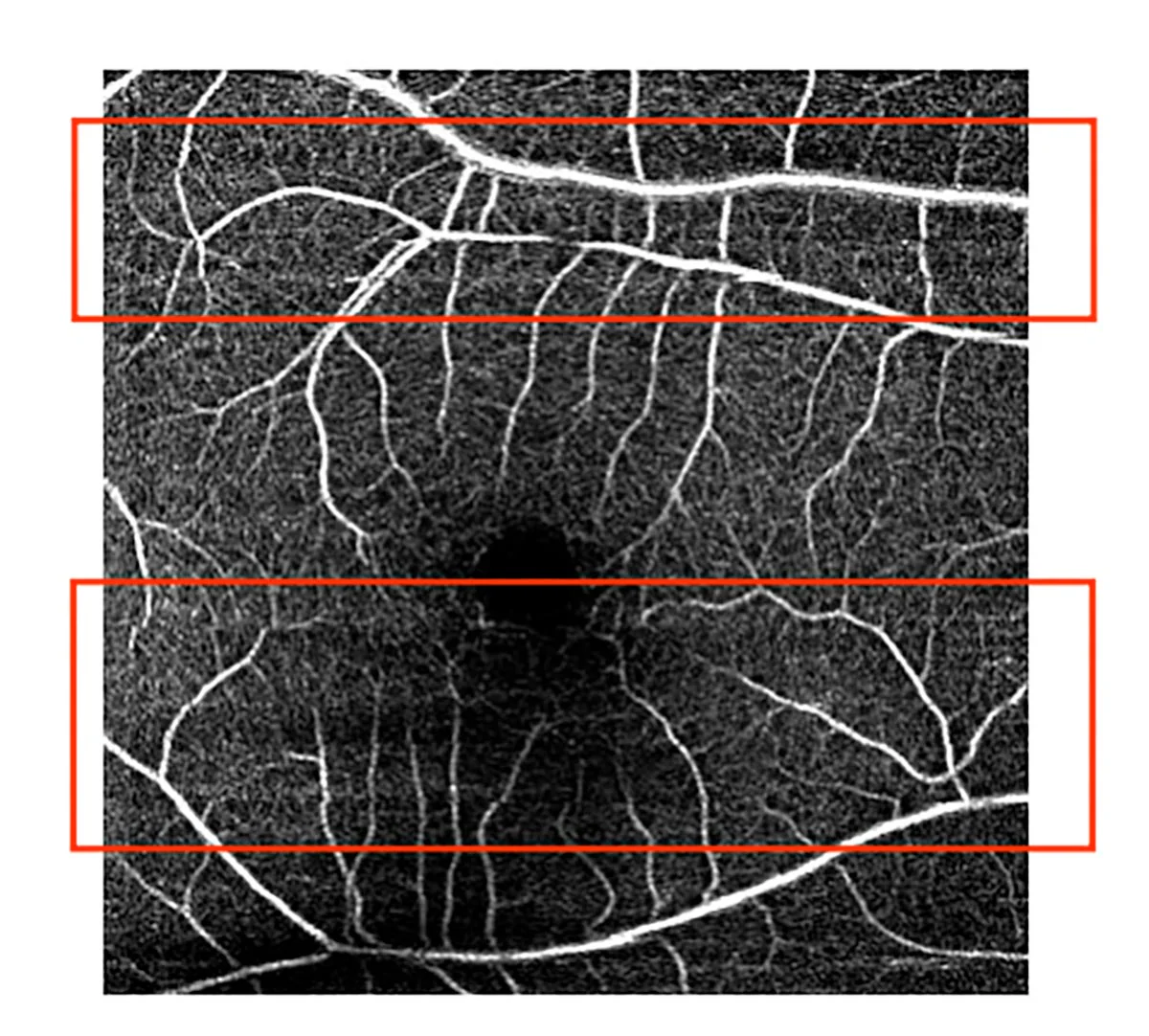
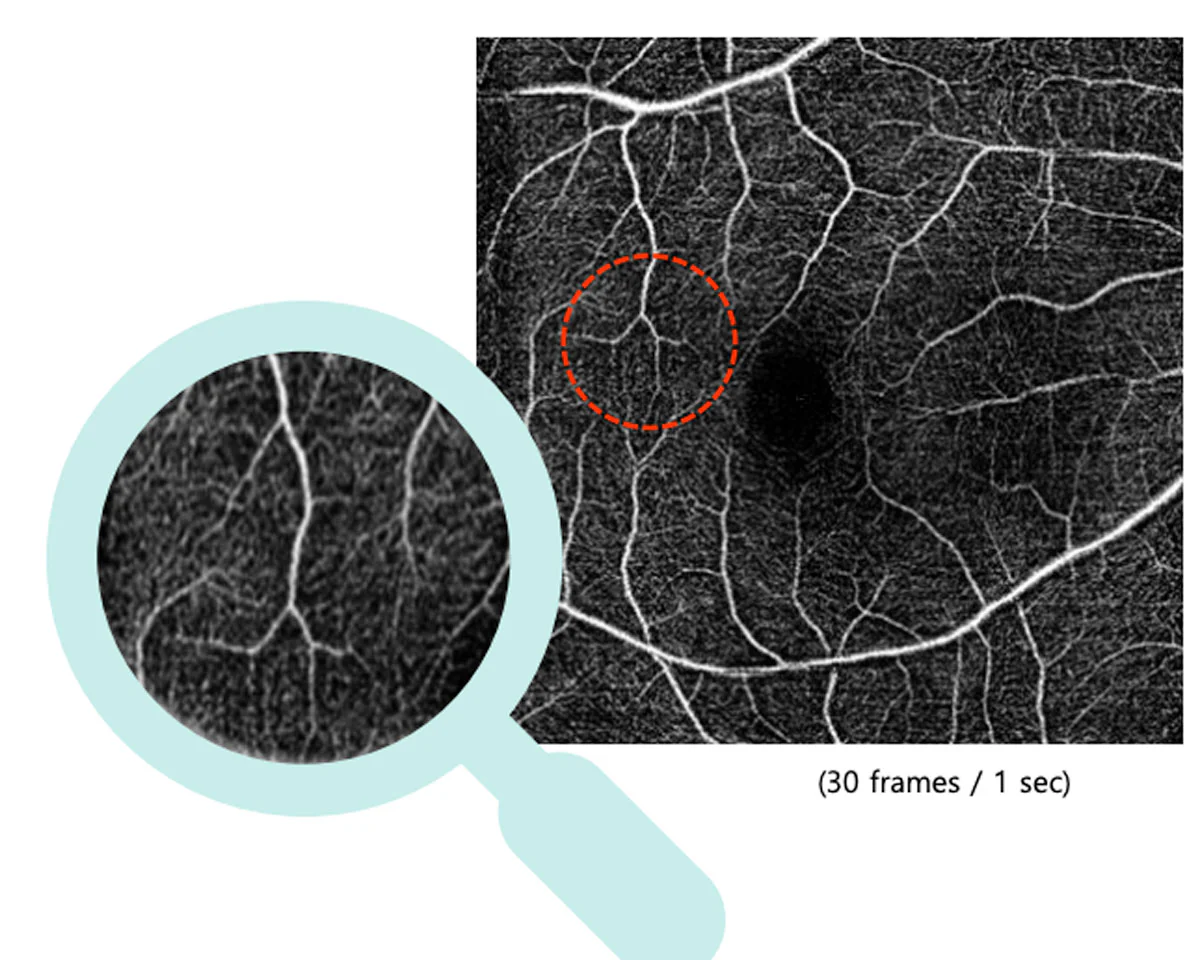
The HOCT-1 (80) offers precise visualization of retinal microvasculature through real-time retinal tracking with a 30 fps IR camera that corrects for eye movement during acquisition. By reducing motion blur and suppressing banding artifacts, it preserves vascular continuity and sharp capillary edges, producing stable and faithful OCTA images even with slight fixation movements or blinks — allowing for clearer data capture with fewer repetitions.

Greater Signal Contrast in CNV
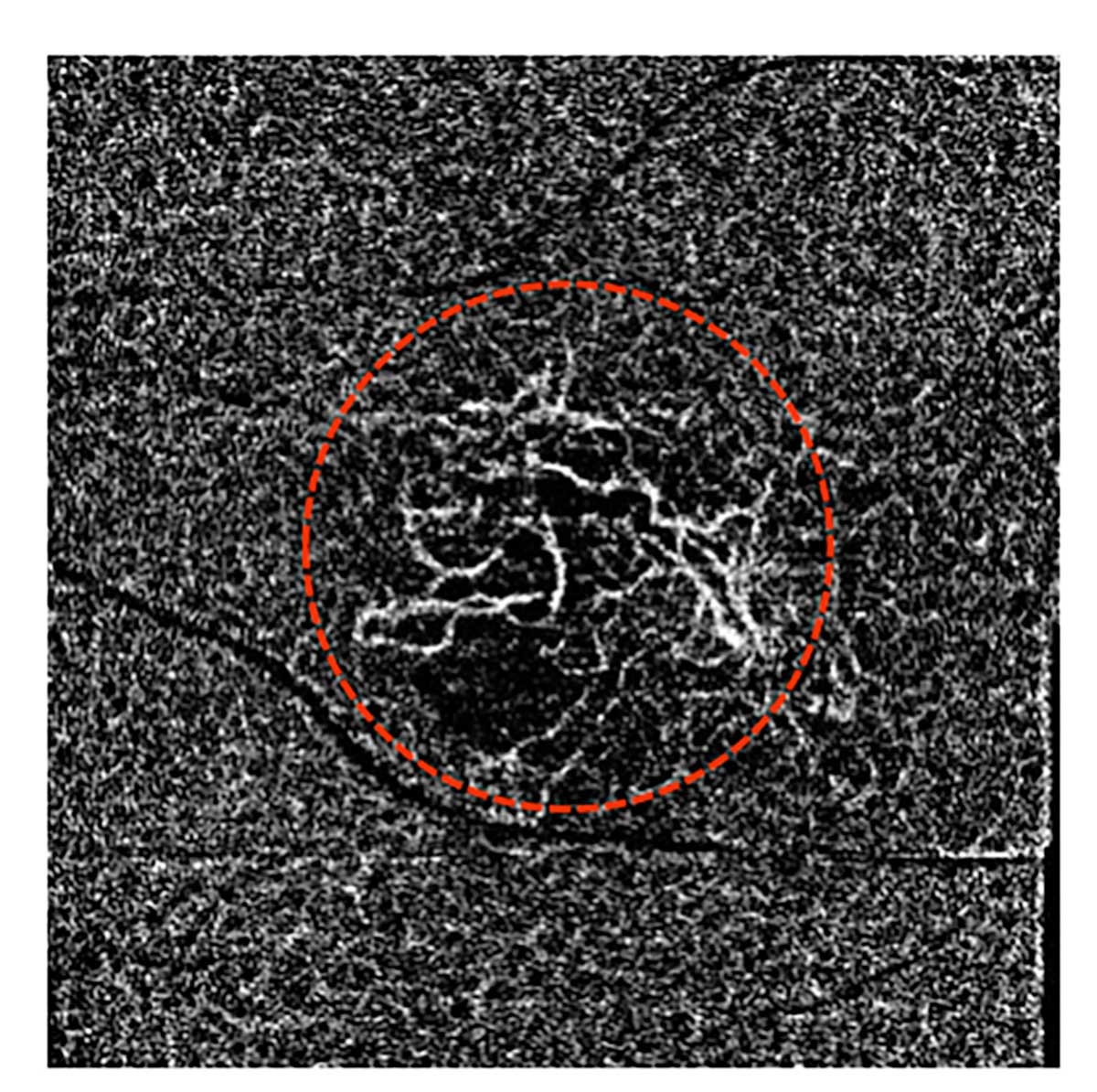
The HOCT-1 (80) improves the visibility of choroidal neovascularization (CNV) in the outer retina by optimizing signal processing within the selected OCTA slab , suppressing foveal specular reflections, and reducing noise. The result is greater vessel-fundus contrast with preserved microvascular continuity, cleaner representation of fine capillaries, and more reliable delineation of CNV networks—improving detection, edge assessment, and comparison in follow-up.

Motion Artifact Elimination
The HOCT-1 (80) minimizes motion-related artifacts in OCTA by correcting micro eye movements during acquisition and applying a dedicated “stripe noise” reduction algorithm that suppresses horizontal banding. The result is cleaner slabs with preserved vascular continuity, sharper capillary edges, and less background noise—delivering more legible images and reducing the need for rescans.

Projection Artifact Elimination (PAR)
The HOCT-1 (80) uses PAR to suppress shadow-like projections from the superficial vascular plexus that contaminate deeper OCTA slabs . By eliminating these projection artifacts, the system preserves true flow signals in the outer retina, improves vessel-fundus contrast, and maintains microvascular continuity. The result is a cleaner, more accurate visualization of structures such as the CNV, with sharper edges and fewer false positives—leading to more precise interpretation and more reliable follow-up quantification.

Enhanced Retinal Layer Segmentation (RPEDC)
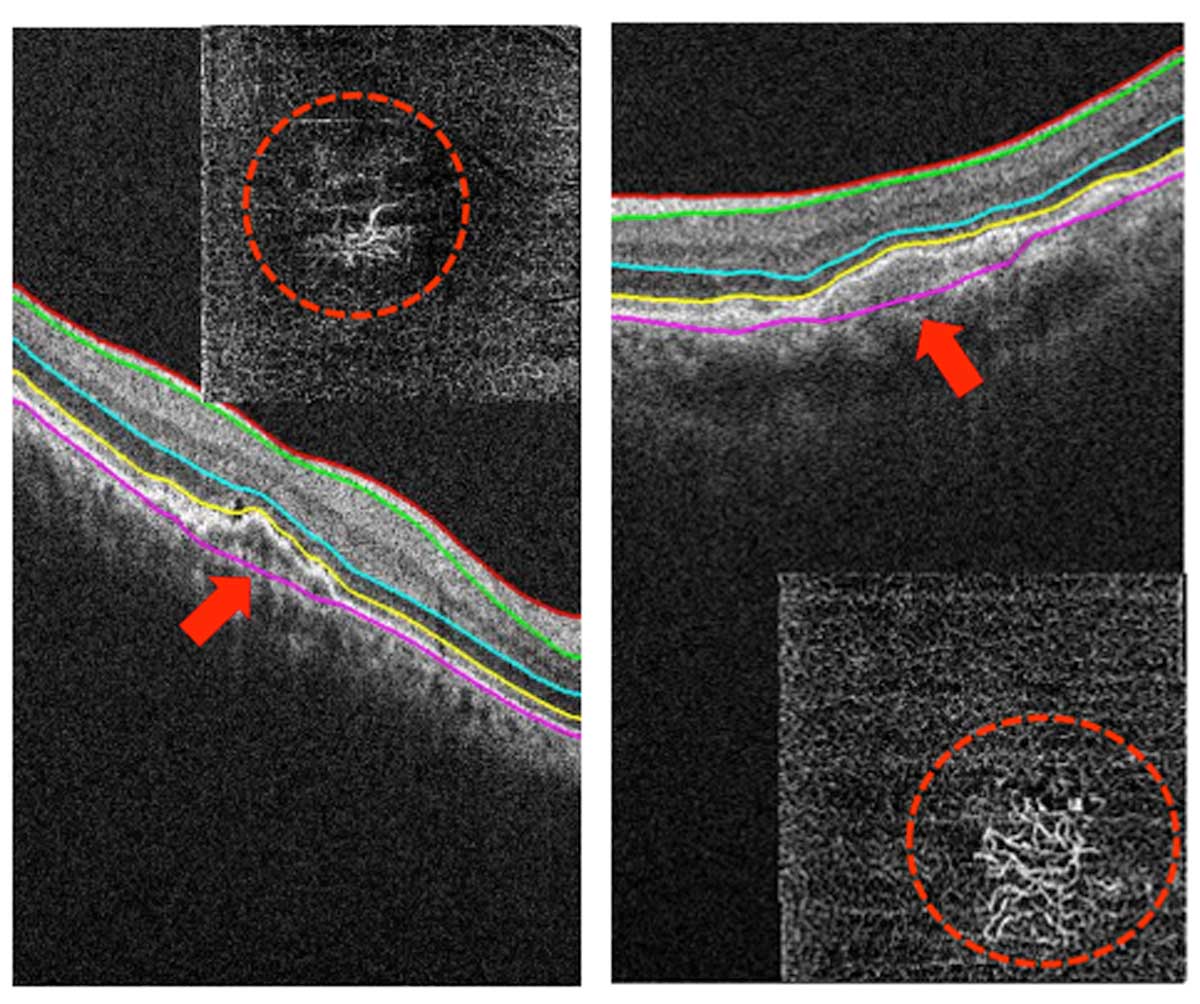
The HOCT-1 (80) offers more precise layer segmentation, with special improvements in the RPE/Bruch membrane complex . Its refined algorithm reliably tracks the RPEDC boundary even in irregular morphologies, reducing manual corrections and increasing reproducibility. By clearly separating the outer retinal layers, it allows for better visualization of sub-RPE structures, greater detection and delimitation of drusen/PED, and more reliable thickness and en-face maps. The result is consistent slab selection and greater diagnostic confidence in assessing subtle changes in the RPEDC over time.

Maps and numerical data on a single screen.
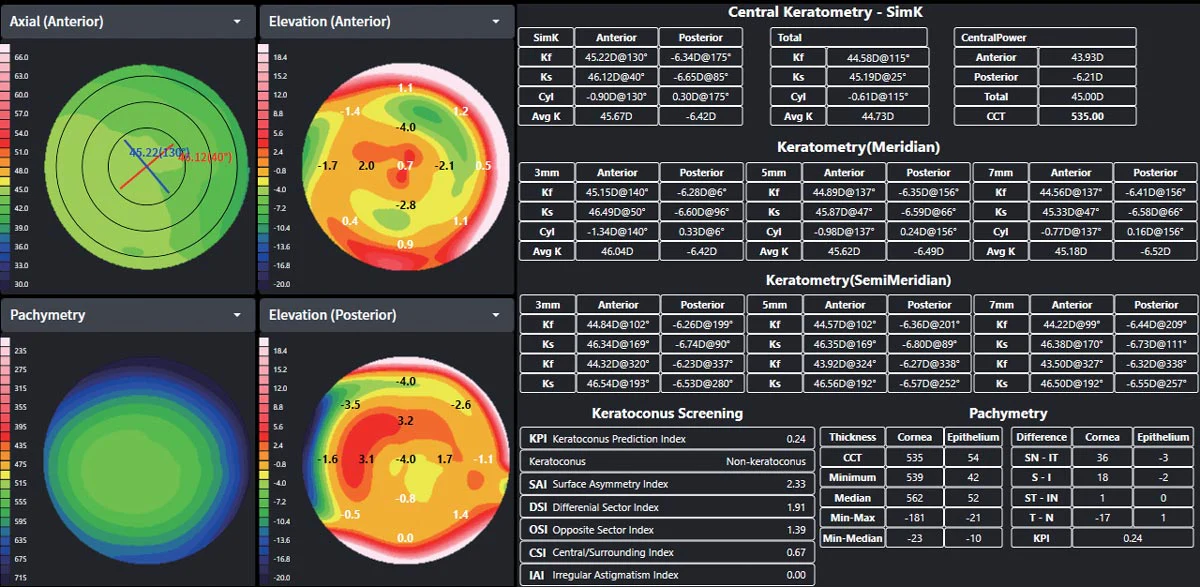
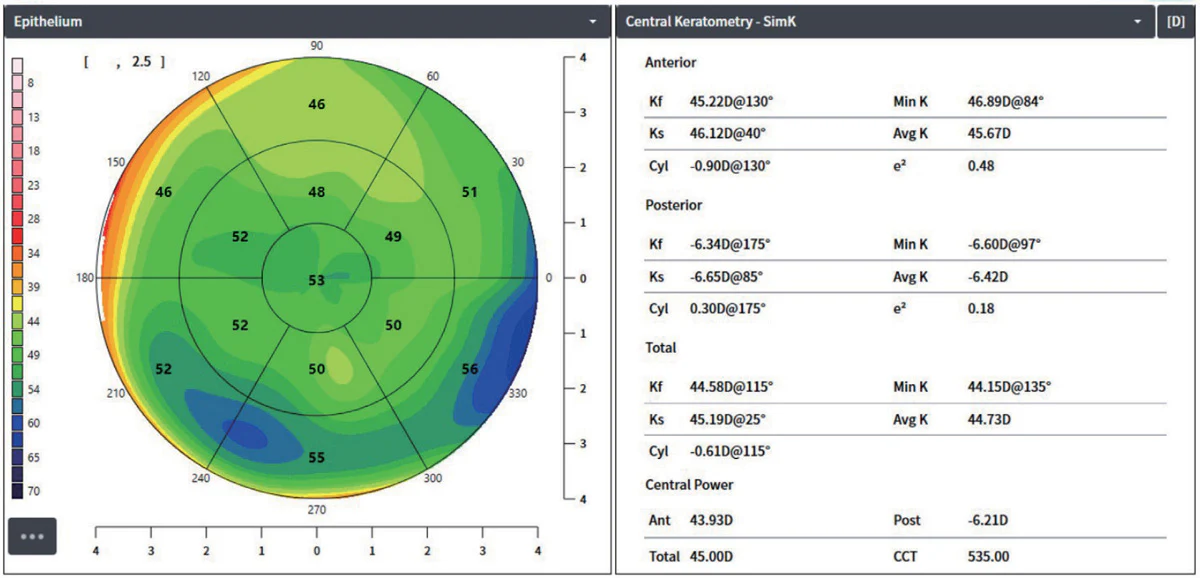
On a single screen, the user can view four maps — Axial , Anterior Elevation , Posterior Elevation , and Pachymetry — while analyzing key parameters such as SimK , Meridian , Keratoconus Index , and epithelial thickness . It is possible to switch between maps or adjust the layout as needed, allowing for flexible use adapted to the purpose and diagnostic scenario.

Simplified clinical workflow
Analysis screens can be printed or sent to a PACS server in DICOM format, facilitating the storage and sharing of results. When printing, the background can be changed to white to improve the readability of the report. Integration with EMR and hospital PACS further simplifies the clinical workflow.

Fast, accurate, and highly reliable measurements.
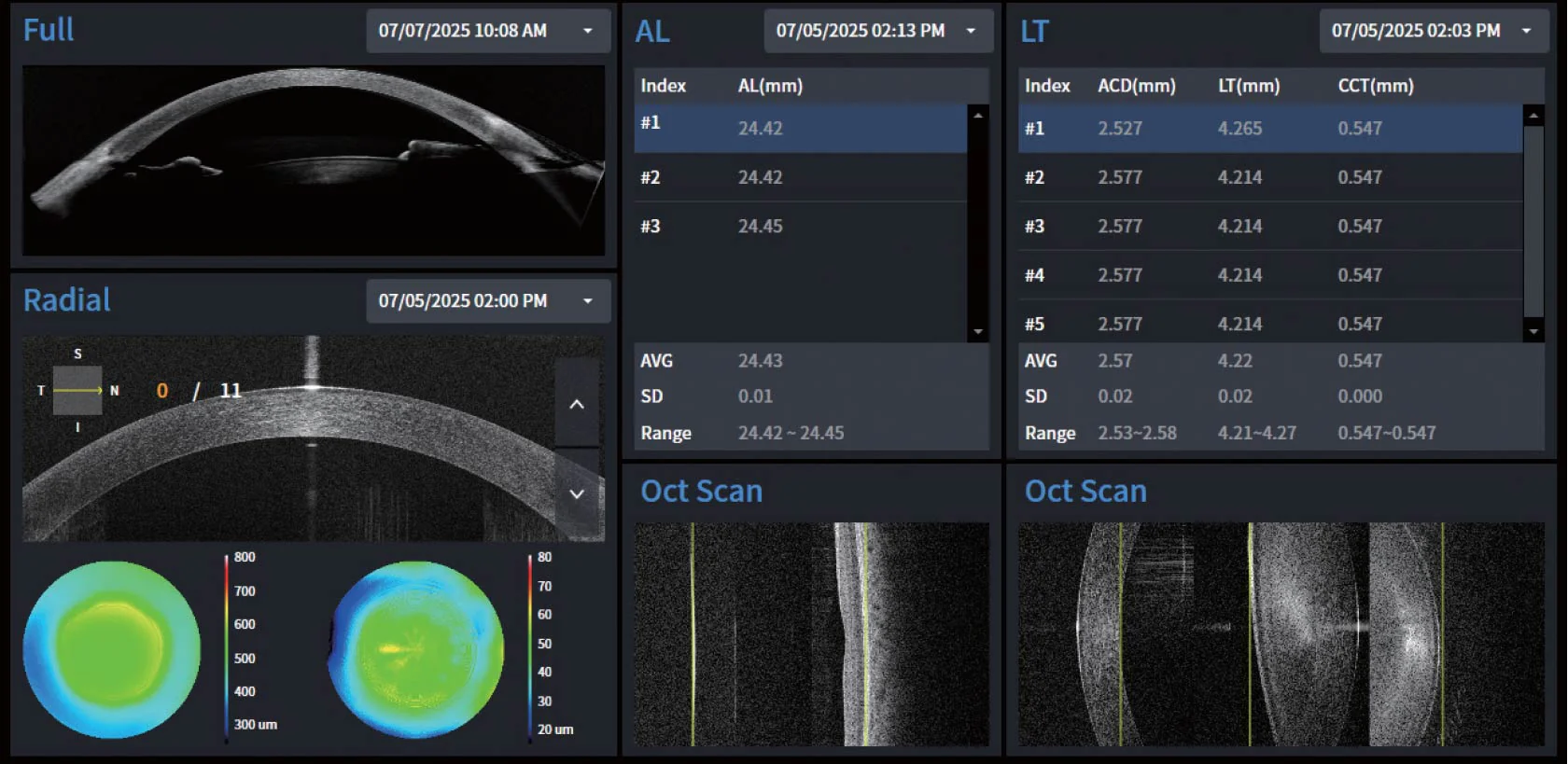
With Burst Mode , the system performs rapid consecutive measurements—three times for axial length and five times for each of: central corneal thickness (CCT), anterior chamber depth (ACD), and lens thickness (LT)—ensuring high consistency and accuracy. After each scan, the B-scan images can be instantly reviewed on the confirmation screen, allowing for fine adjustments when necessary. Low-quality scans caused by blinking or small eye movements are automatically filtered, ensuring reliable IOL calculations and precise surgical planning, even in challenging cases with dense cataracts or macular deformation.

Complete overview: from precise measurements to IOL recommendations.
The biometric analysis screen offers a comprehensive three-dimensional view of ocular structures with AL , TL , Radial , and Complete Anterior Segment perspectives . Measurement parameters, such as axial length (AL) and lens thickness (TL), can be selectively reviewed, with the option of manually adjusting layer limits for maximum precision—even in complex anatomies. By integrating AL, CCT, ACD, LT , and K values ​​based on corneal topography, the system automatically generates ideal IOL recommendations tailored to each patient, supporting precise and efficient surgical planning.

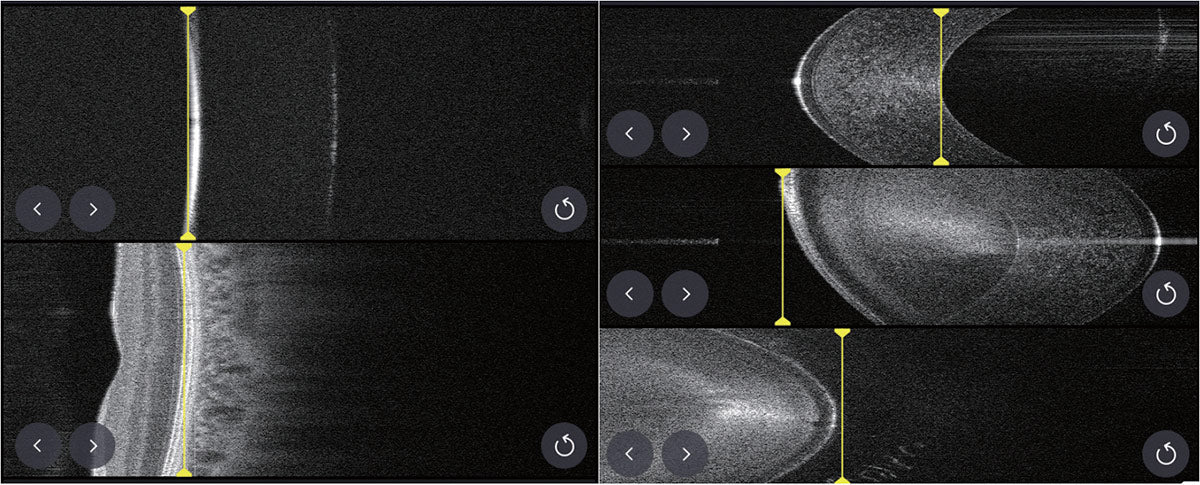
OCT Topography simultaneously captures the anterior and posterior corneal surfaces, producing a detailed 3D analysis with 16 map types to accurately assess thickness, curvature, and elevation. Complementarily, Optical Biometry visualizes the complete axial length, from the cornea to the macula, in high-resolution 2D, offering more detail than conventional ultrasound. Together, they provide the granular data necessary for precise IOL selection and safe surgical planning.

View the complete previous image for full viewing.
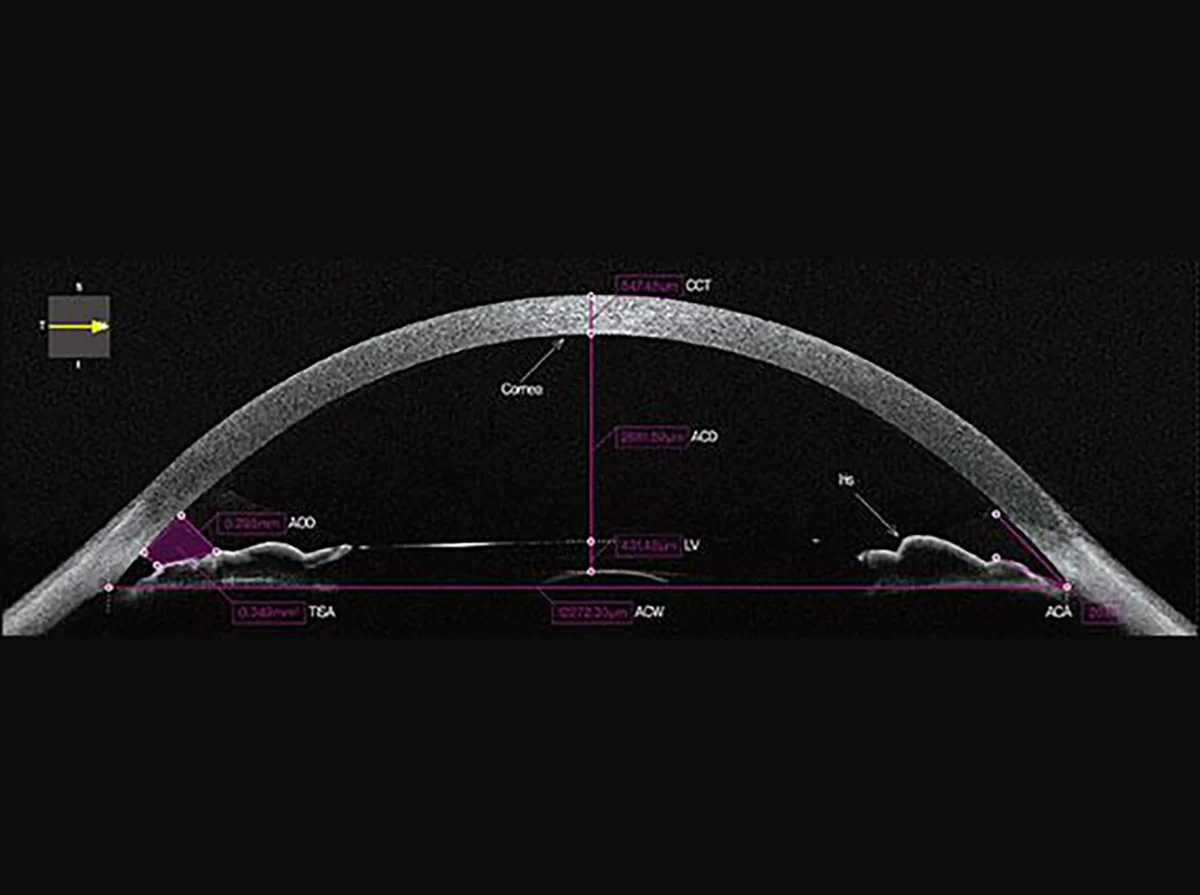
A single scan captures the entire anterior segment—from the cornea to the lens—with clear visualization of the iris and anterior chamber. Key parameters such as WTW (white-to-white) and ACT (anterior chamber thickness) are automatically measured, allowing for objective comparisons and accurate assessments. This comprehensive image supports precise differentiation between open-angle and angle-closure glaucoma, as well as detailed pre- and post-refractive or lens surgery evaluations.

Clinical Insight : Useful for early detection of anterior chamber angle changes and for pre- and post-operative monitoring in refractive lens procedures.

Visualization of the Ciliary Muscle and Lens
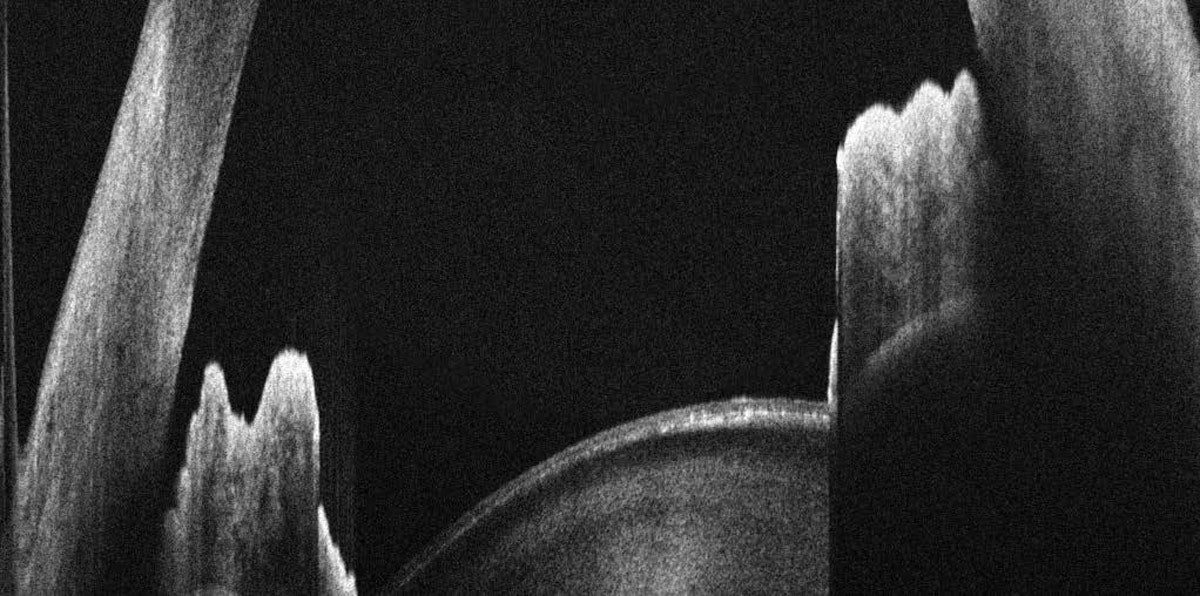
With the Wide One Line Scanning function , the anterior structure of the ciliary muscle and lens is clearly visualized in a single scan. This allows for rapid assessment of changes in ciliary muscle function, as well as lens position and shape, making it ideal for pre- and post-operative comparisons. It also supports detailed functional analyses of the anterior segment in various clinical applications, including presbyopia correction and IOL implantation.

Clinical Insight : Rapid assessment of ciliary muscle function and changes in lens position for pre- and post-operative comparison.

Corneal Analysis
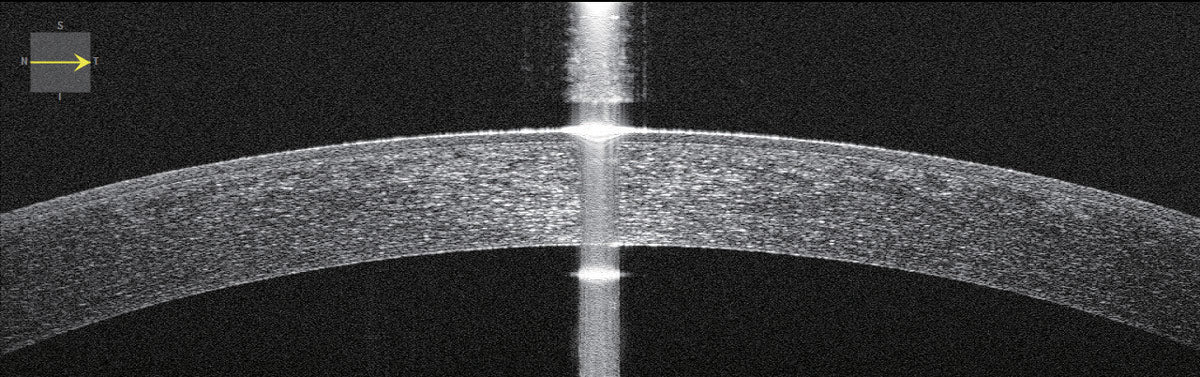
With the Anterior Segment Module, high-resolution sectional images of the cornea are captured to accurately measure thickness, curvature, and anterior and posterior structures. These measurements can be visualized and analyzed in 2D and 3D formats, providing comprehensive data for precise clinical assessments.

Radial Analysis
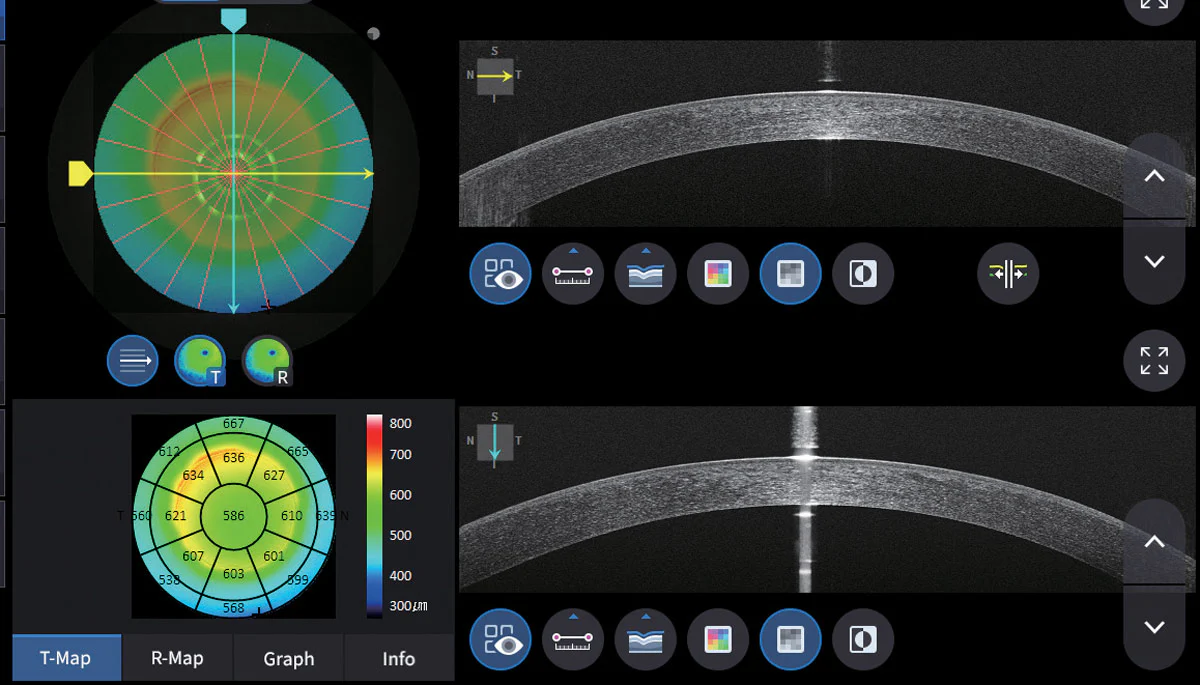
Using the Corneal Thickness Map , the overall thickness distribution and the location of the thinnest point can be precisely identified. This detailed visualization of corneal topography aids in the early detection and evaluation of anomalies such as keratoconus.

Anterior Chamber Angle Analysis
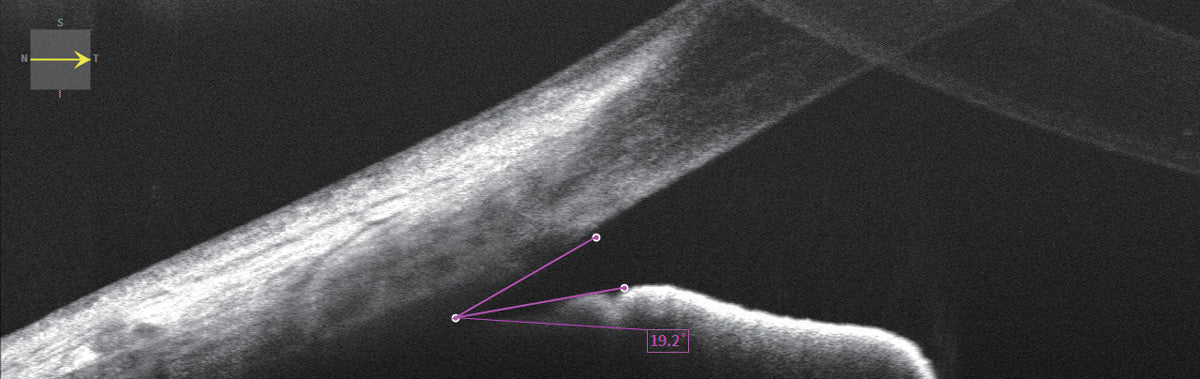
Using sectional images of the anterior segment, the system accurately measures the anterior chamber angle (ACA) between the cornea and the iris. This allows for precise assessment of whether the angle is open or closed, supporting reliable diagnosis and monitoring of angle-related conditions.

More Reliable Maps – Parameters with Greater Precision
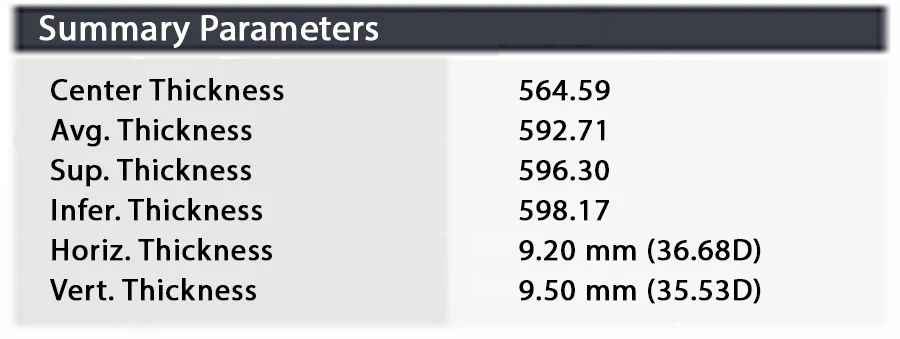
The HOCT-1 (80) generates more consistent and reliable maps, improving the accuracy of key corneal parameters, including central thickness , mean thickness , and curvature measurements . These precise values ​​are fundamental for advanced diagnostics and personalized patient care.

Especificações

Manuais e catalogos

Catalogos

HOCT-1(80)

Manuais

HOCT-1(80)